More resume templates
Browse all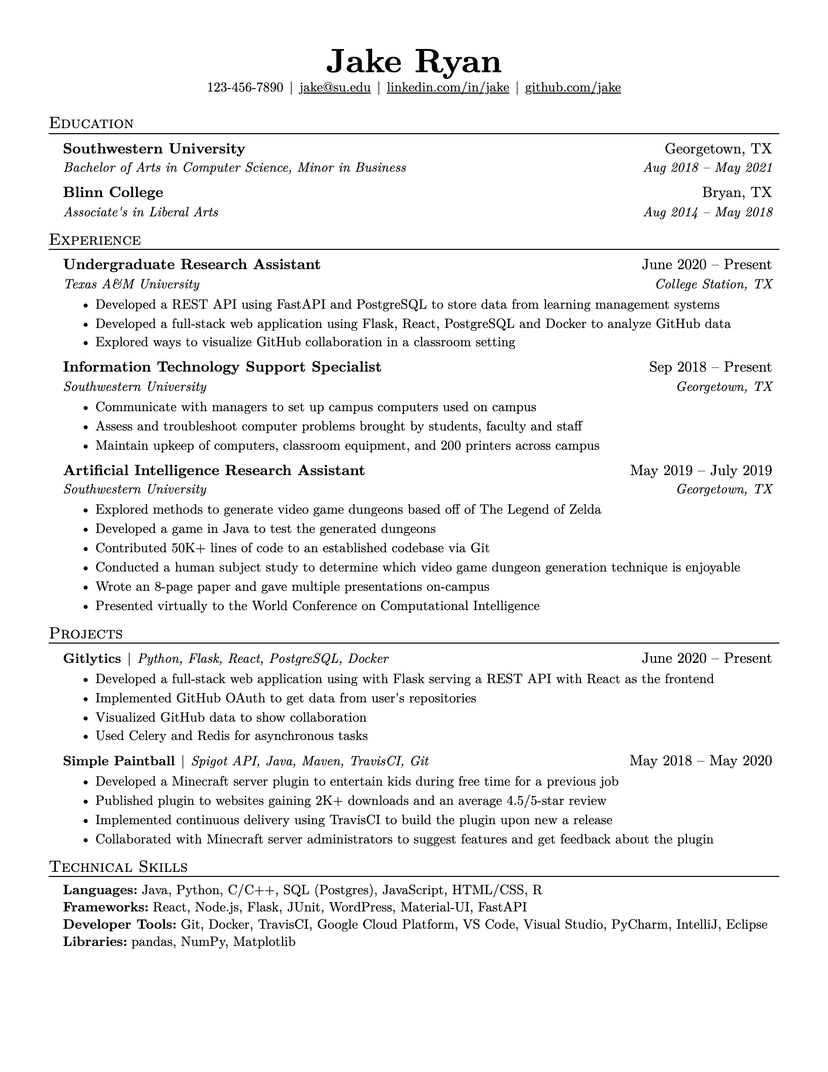
Jake's Resume
dense · serif
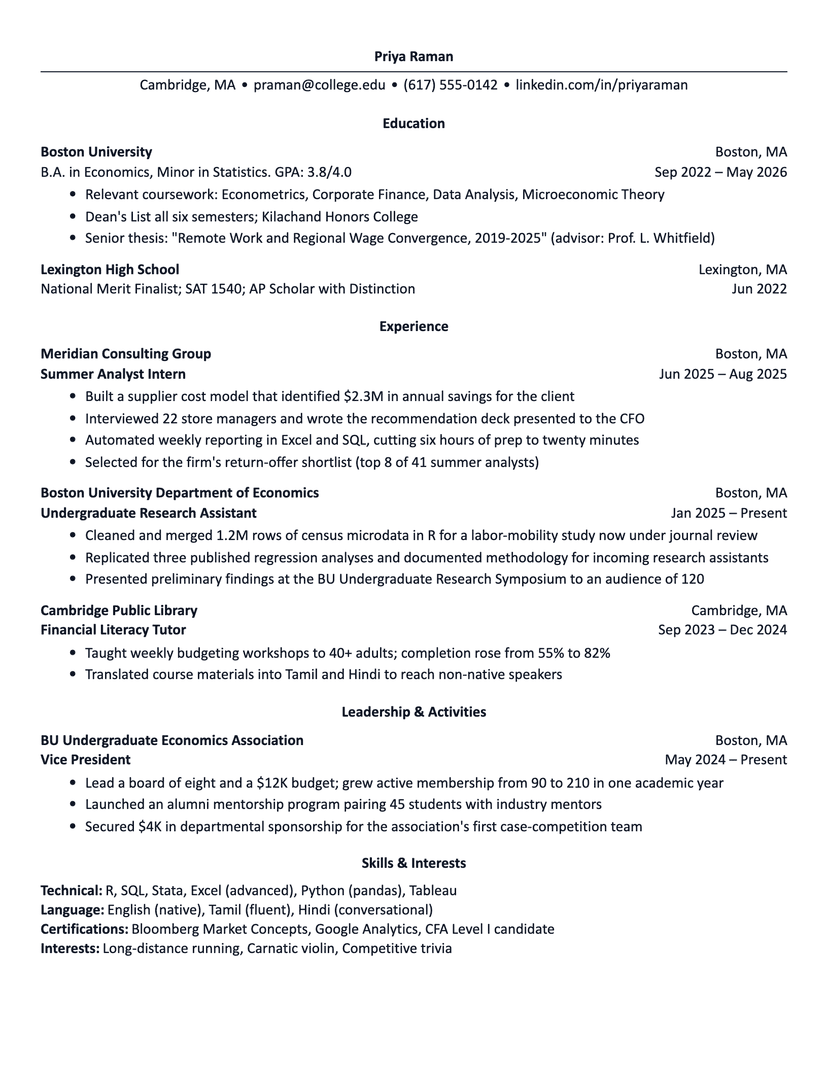
Harvard
academic · plain
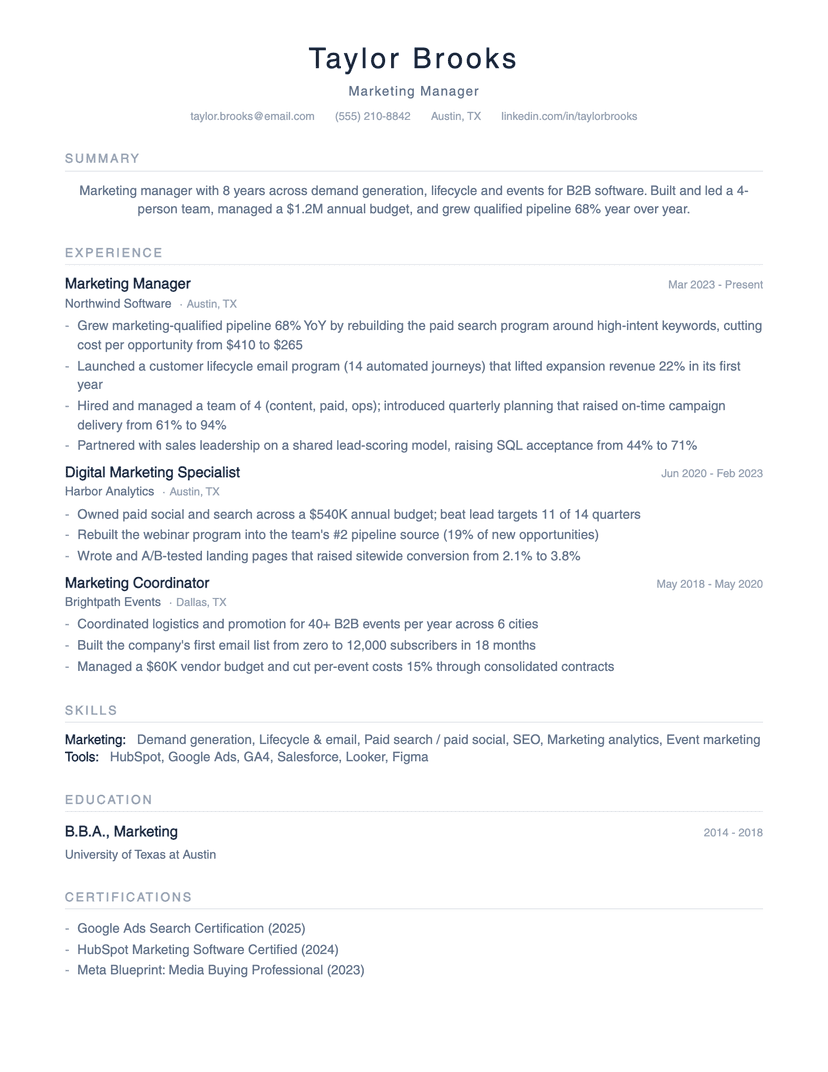
Minimalist
minimalist · whitespace
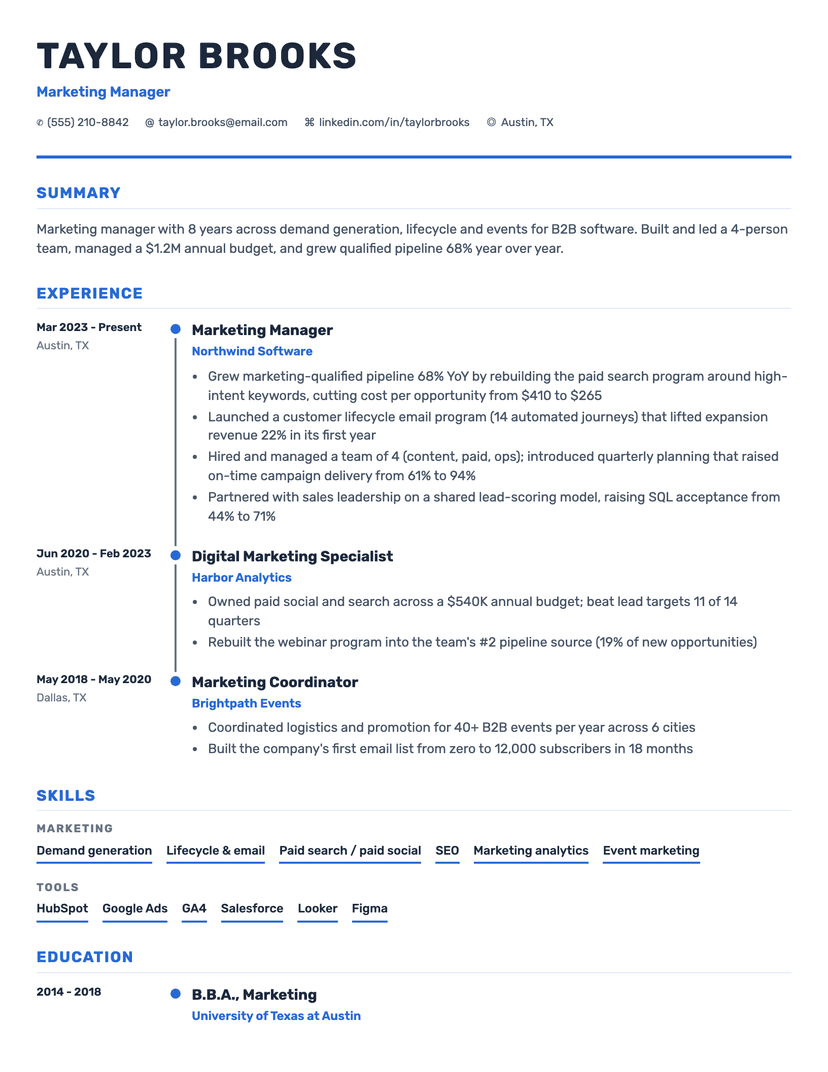
Timeline
timeline · visual
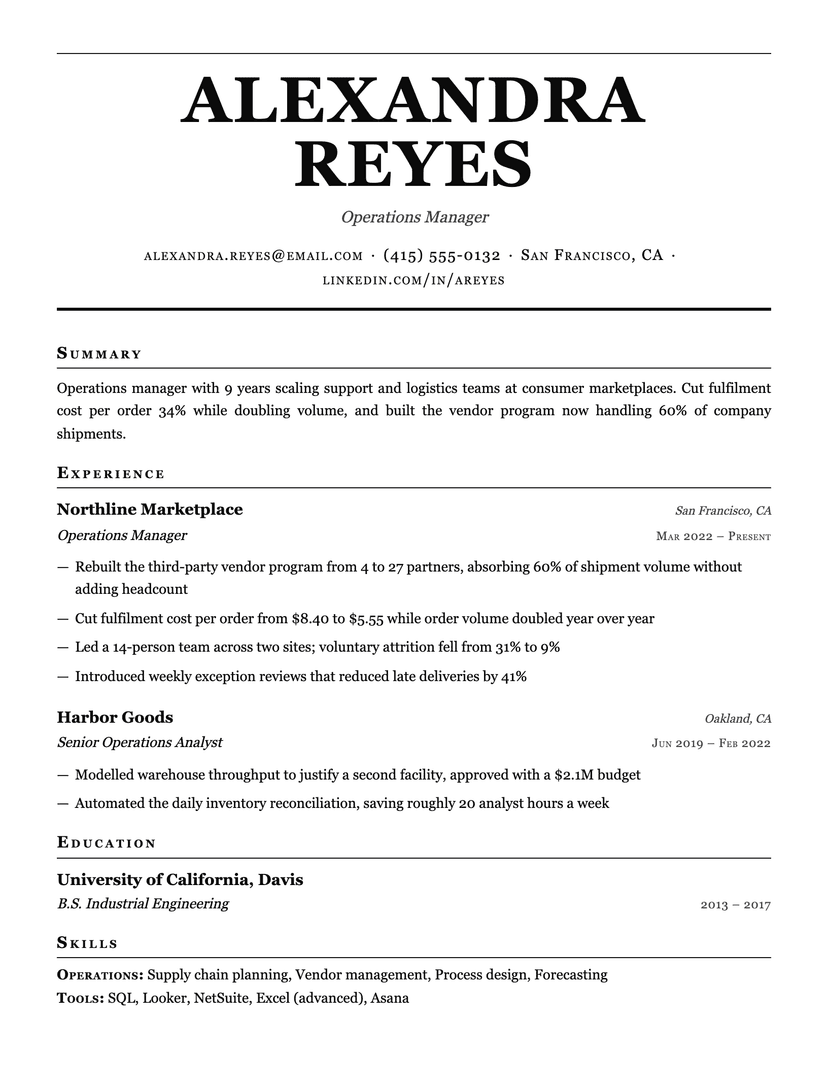
Broadsheet
serif · traditional
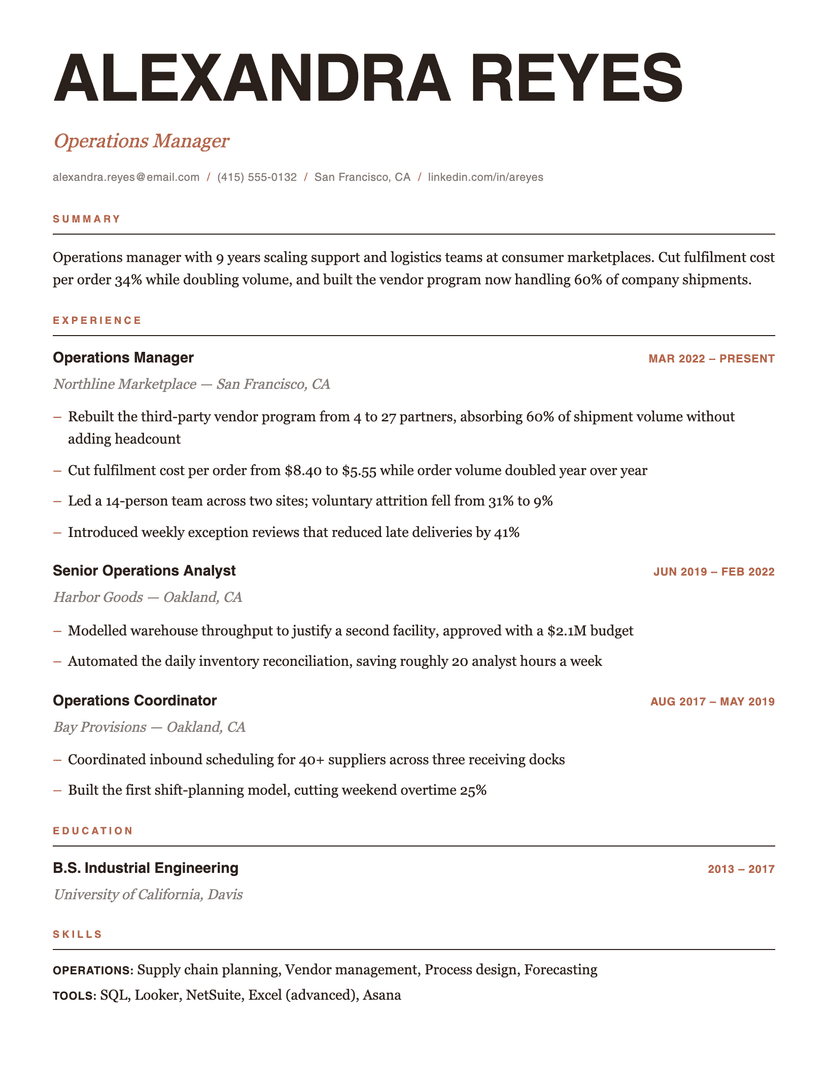
Editorial
modern · editorial
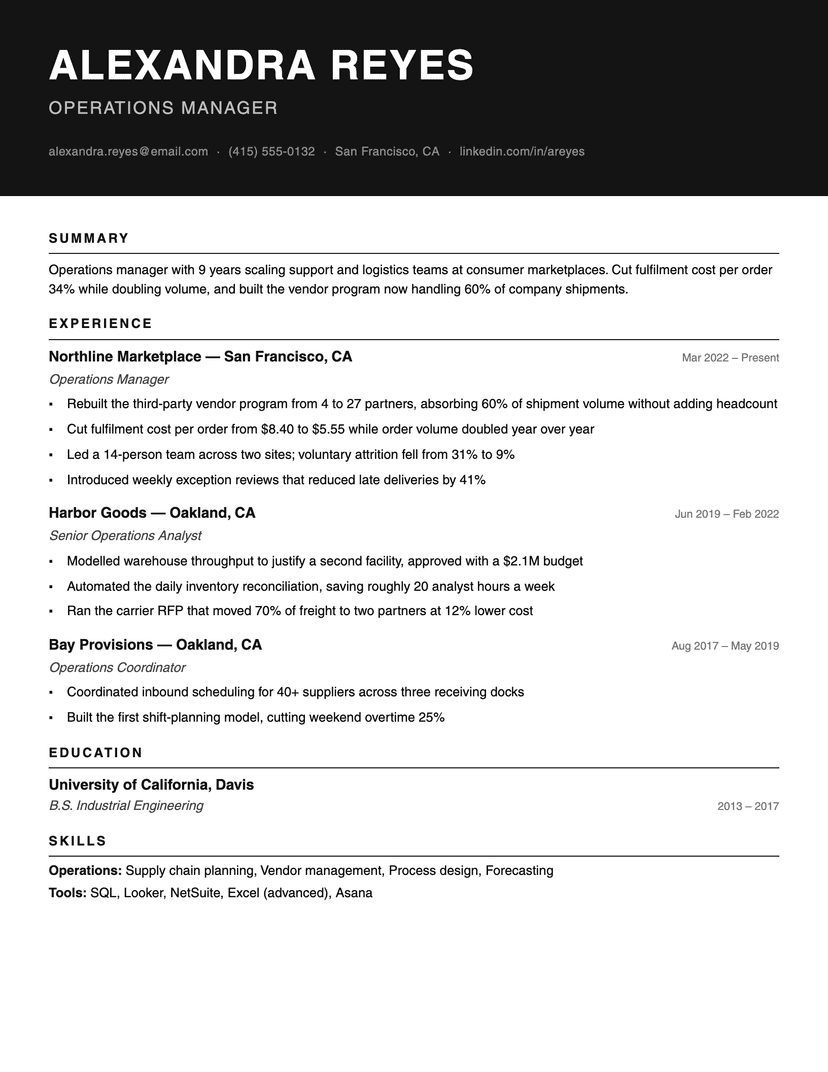
Ink Block
bold · monochrome
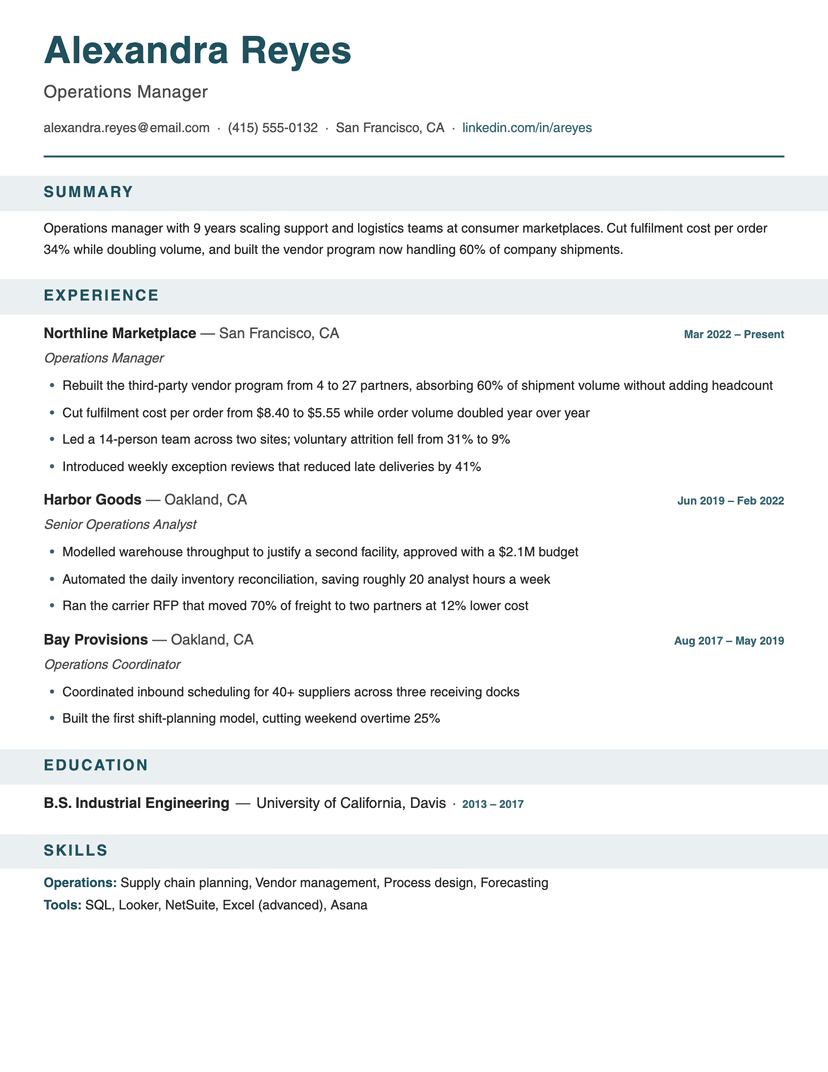
Banner
bold · structured
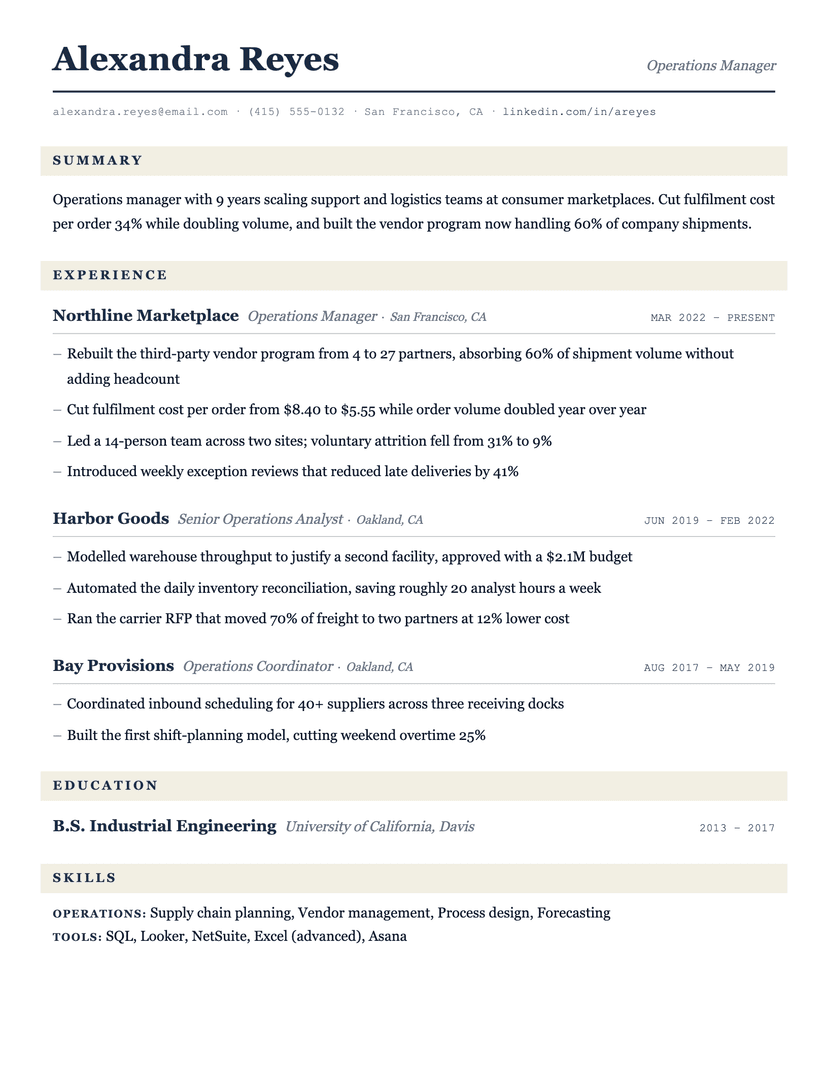
Ledger
serif · traditional
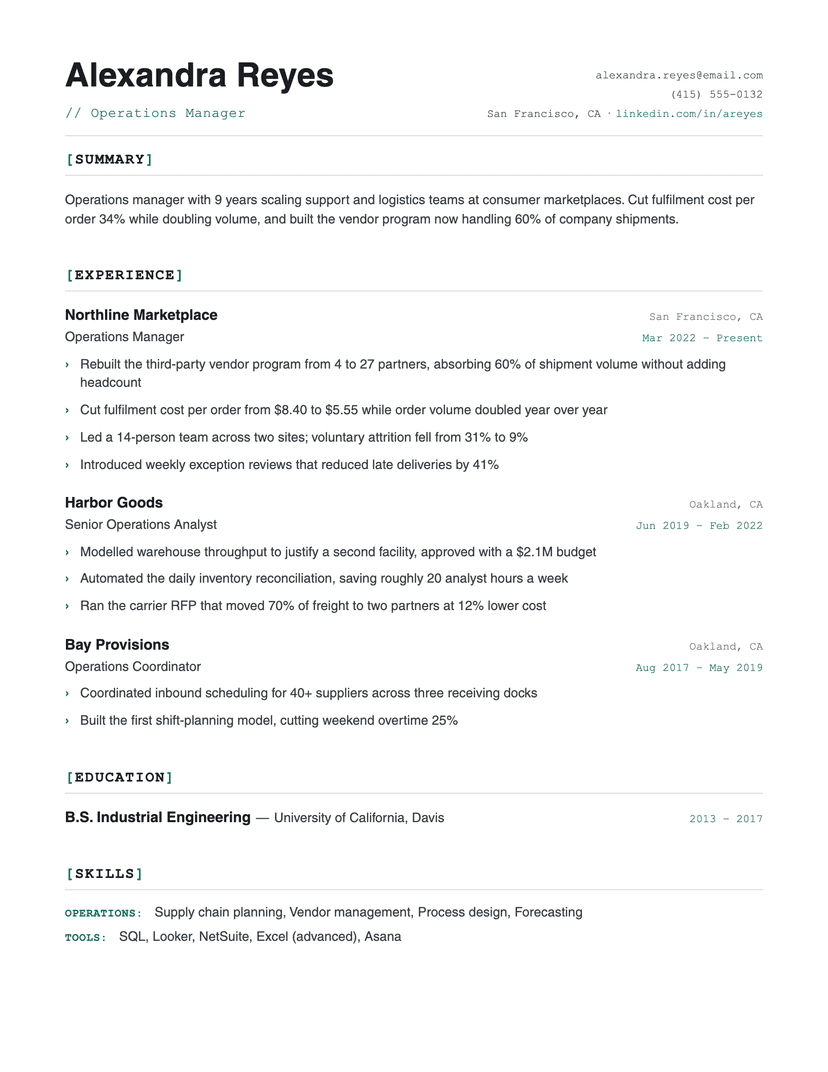
Bracket
technical · monospace
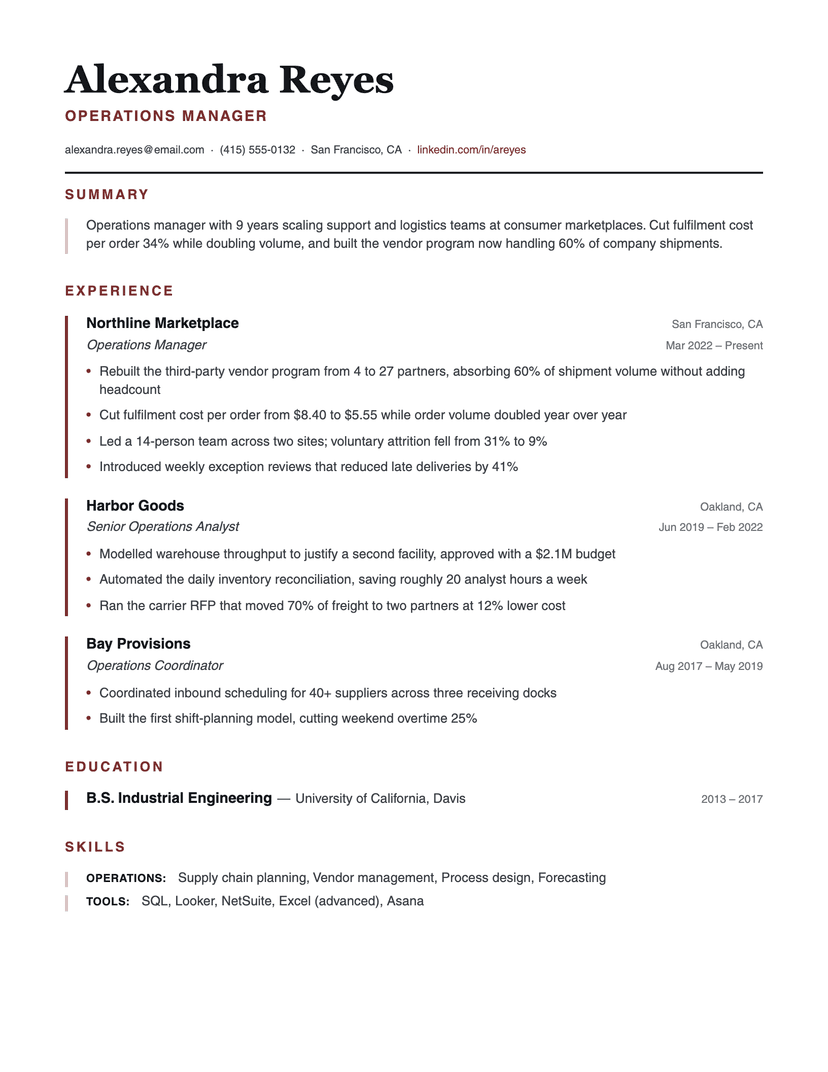
Left Rule
structured · serif-header
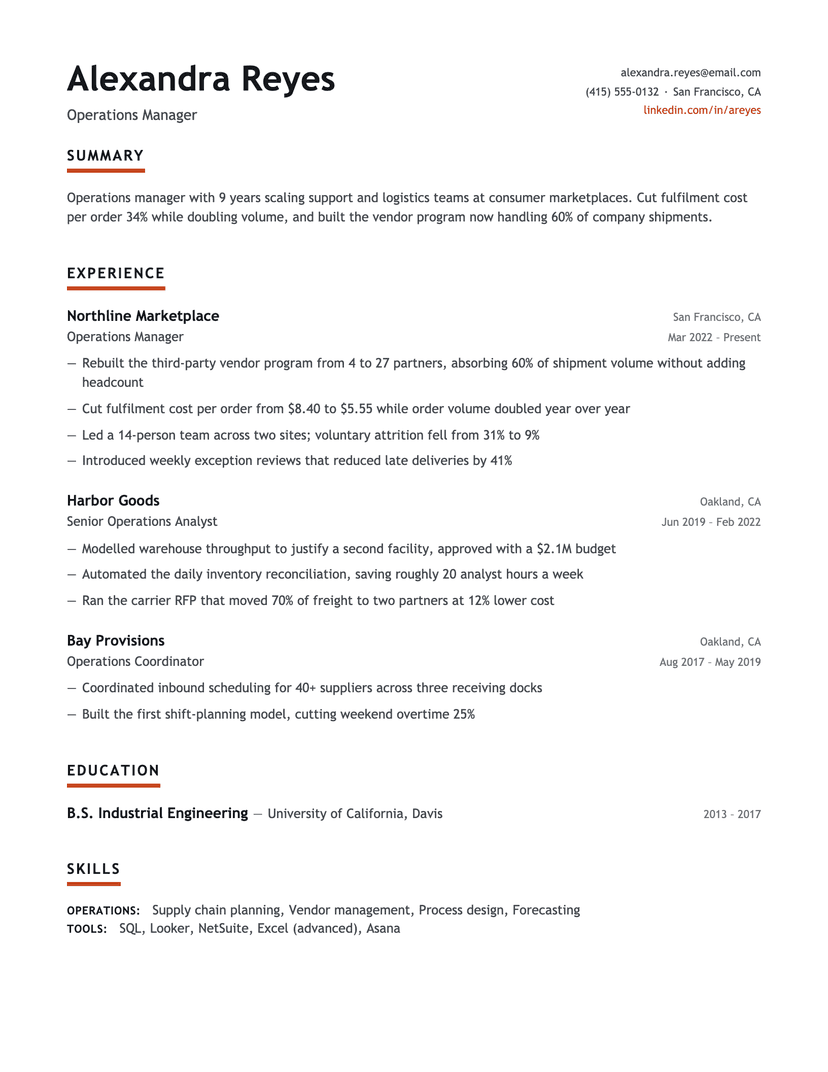
Underline Accent
modern · monochrome
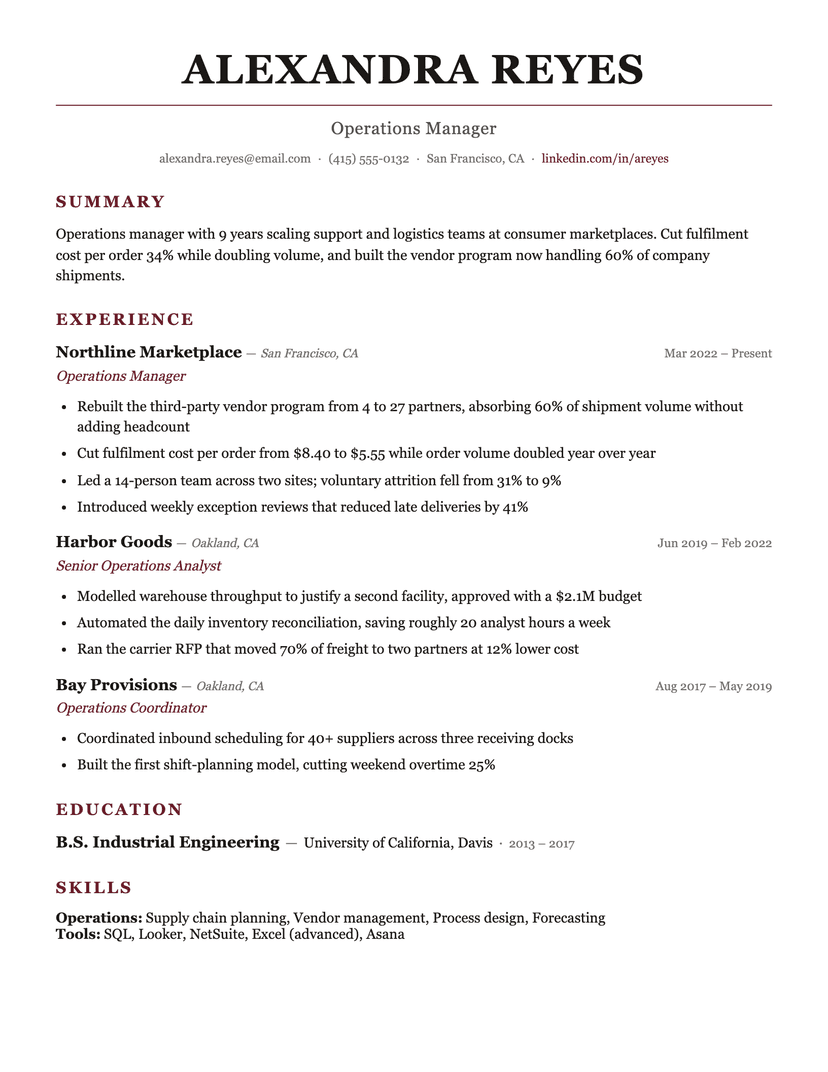
Burgundy
formal · serif
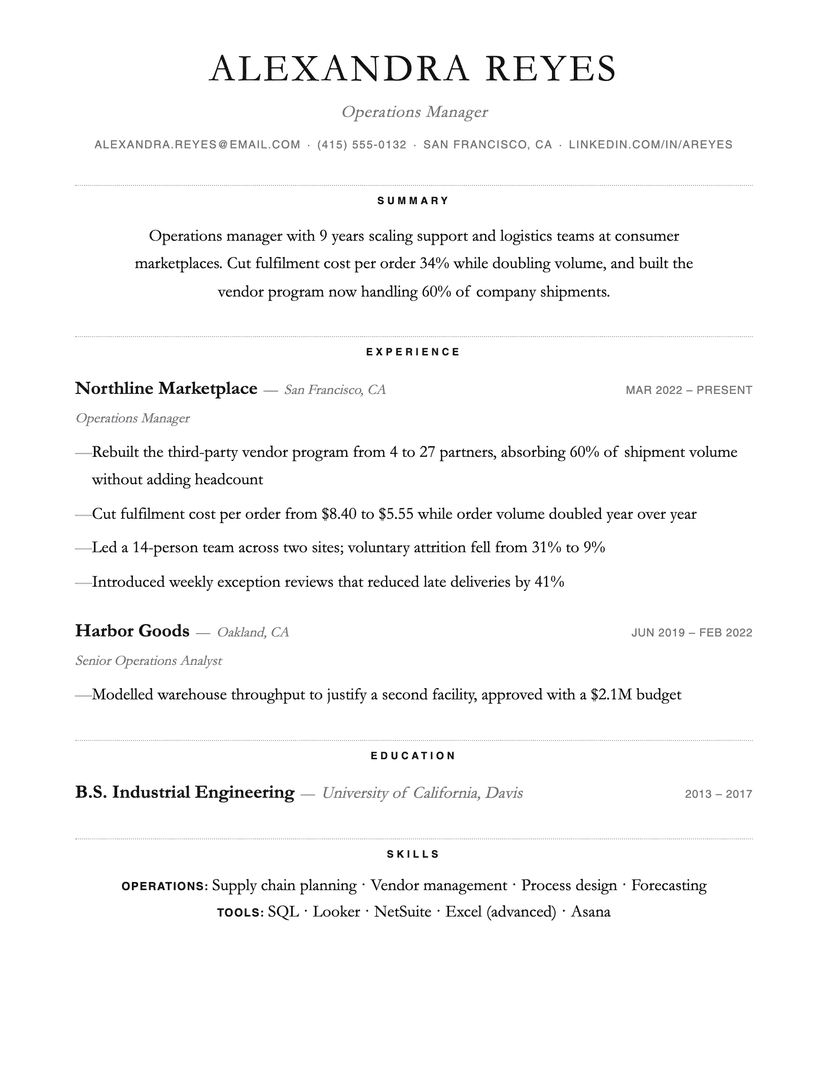
Dotted
minimal · centered
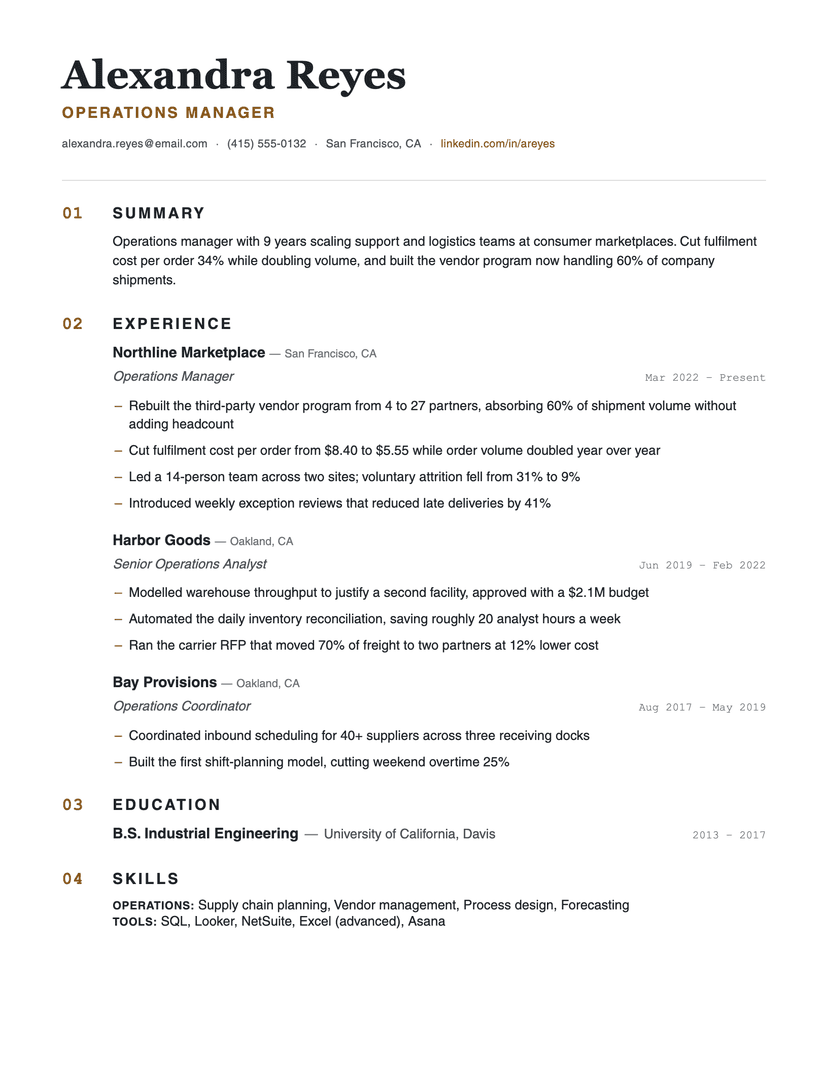
Numbered
systematic · editorial
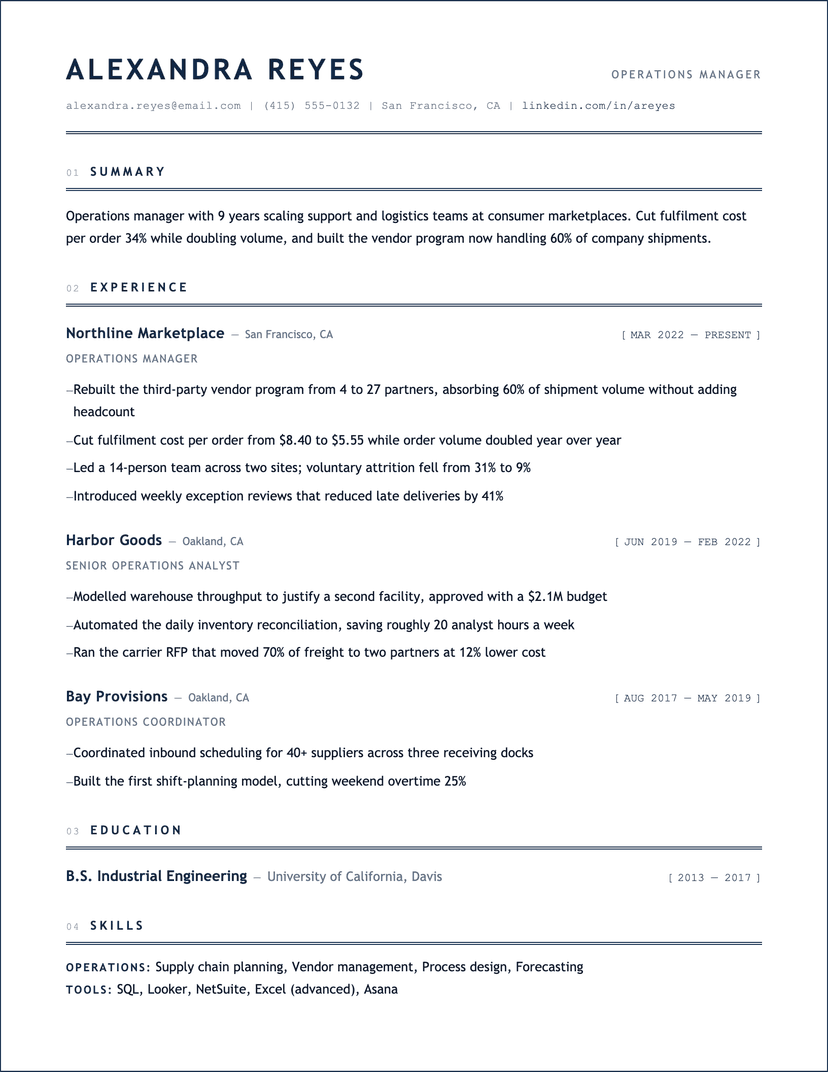
Blueprint
technical · structured
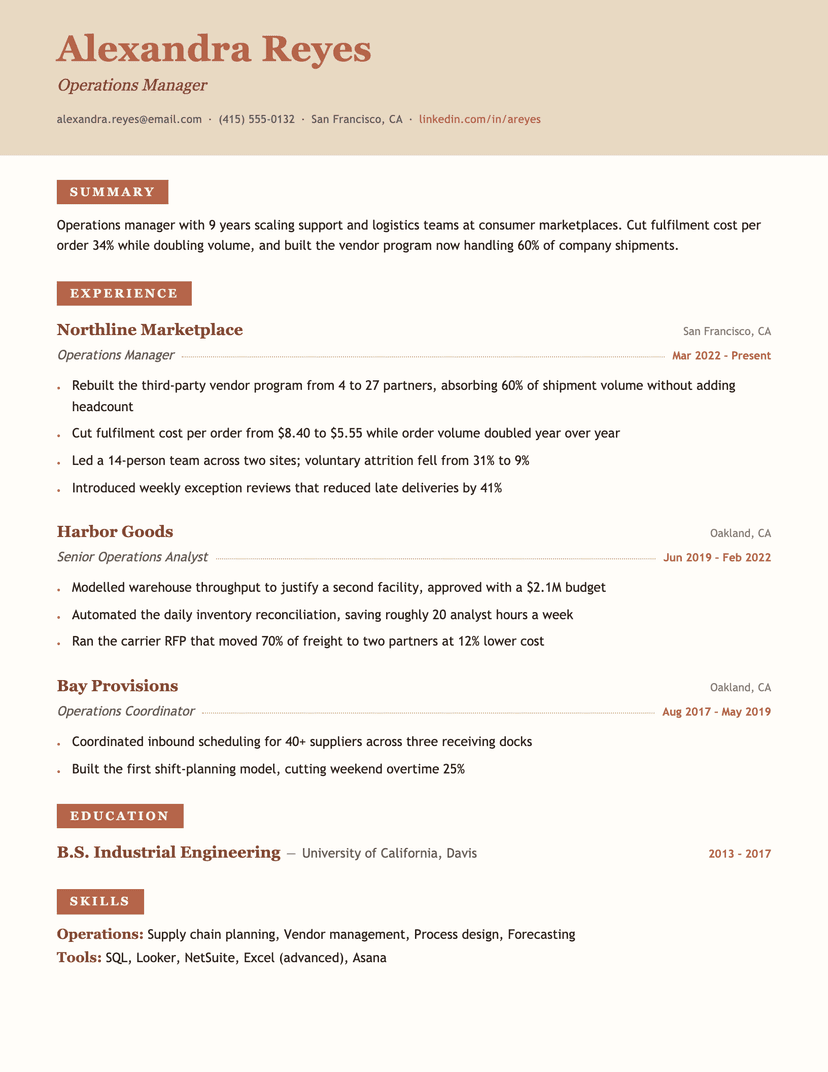
Terracotta
warm · serif
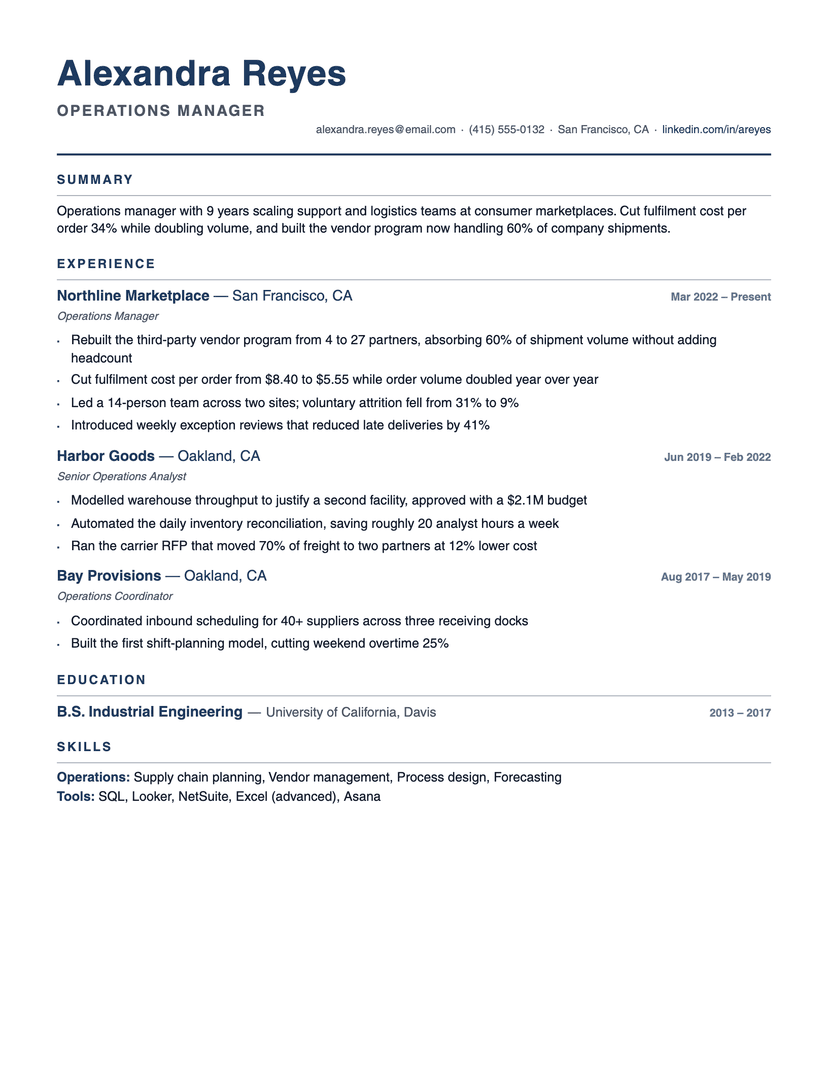
Compact Pro
compact · dense
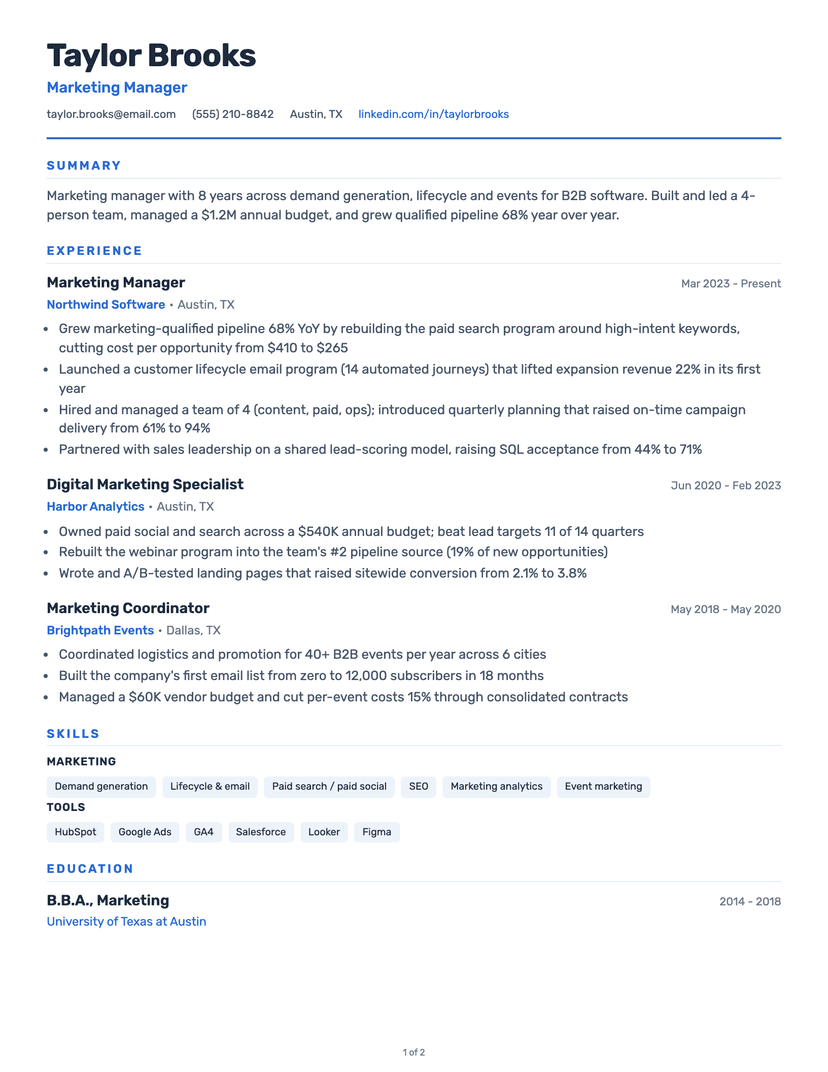
About the Classic template
What "boring" buys you
Recruiters spend well under ten seconds on a first pass, and every second spent decoding a layout is a second not spent reading your accomplishments. Classic's design decisions all serve scan speed: role and company bolded at identical positions in every entry, dates right-aligned in a fixed column, one accent color used only for structure (name and section rules), never decoration.
The reverse-chronological single column is also what hiring systems are built to expect. There is no layout ambiguity for a parser to misread — reading order, parsing order, and visual order are the same order.
How it parses
Every structural choice matches what ATS parsing guides recommend: standard section headings, no tables, no text boxes, no columns, no graphics, contact information in the document body rather than a page header. Exported .docx files use real Word headings and lists (not floating frames), so parsers that read document structure rather than visual position get clean fields too.
Where Classic is the wrong choice
If your one page is overflowing — students with heavy project sections, engineers with dense internship histories — Jake's fits meaningfully more per page. If you want more whitespace and a more modern feel for design-adjacent or startup roles, Minimal reads lighter. Classic sits deliberately in the middle: the most content-neutral option, which also means it's nobody's most distinctive one.
Who the Classic template is for
Great fit
- Mid-career and senior professionals in any industry
- Anyone applying across multiple industries with one resume
- Conservative fields — finance, law, healthcare administration, government
Look elsewhere if
- Students trying to fit dense project + internship histories (use Jake's)
- Roles where visual restraint reads as plain rather than professional (use Minimal)
Frequently asked questions
Is a classic resume format still the best choice?+
For most applicants, yes. Reverse-chronological single-column remains the format recruiters scan fastest and applicant tracking systems parse most reliably. "Classic" here means structurally conventional — not dated.
Should my resume be one page?+
Under ten years of experience: one page. Beyond that, two pages are accepted in most industries as long as page one carries your strongest material. This template paginates cleanly either way.
Which file format should I send?+
PDF unless the job posting asks for Word. Both downloads here are ATS-clean; PDF locks your formatting, while .docx is occasionally requested by older systems and recruiters who annotate.
Already have a resume? See exactly what an ATS parses out of it.
Run the free ATS checker