

Browse resume templates
Browse all
Jake's Resume
dense · serif
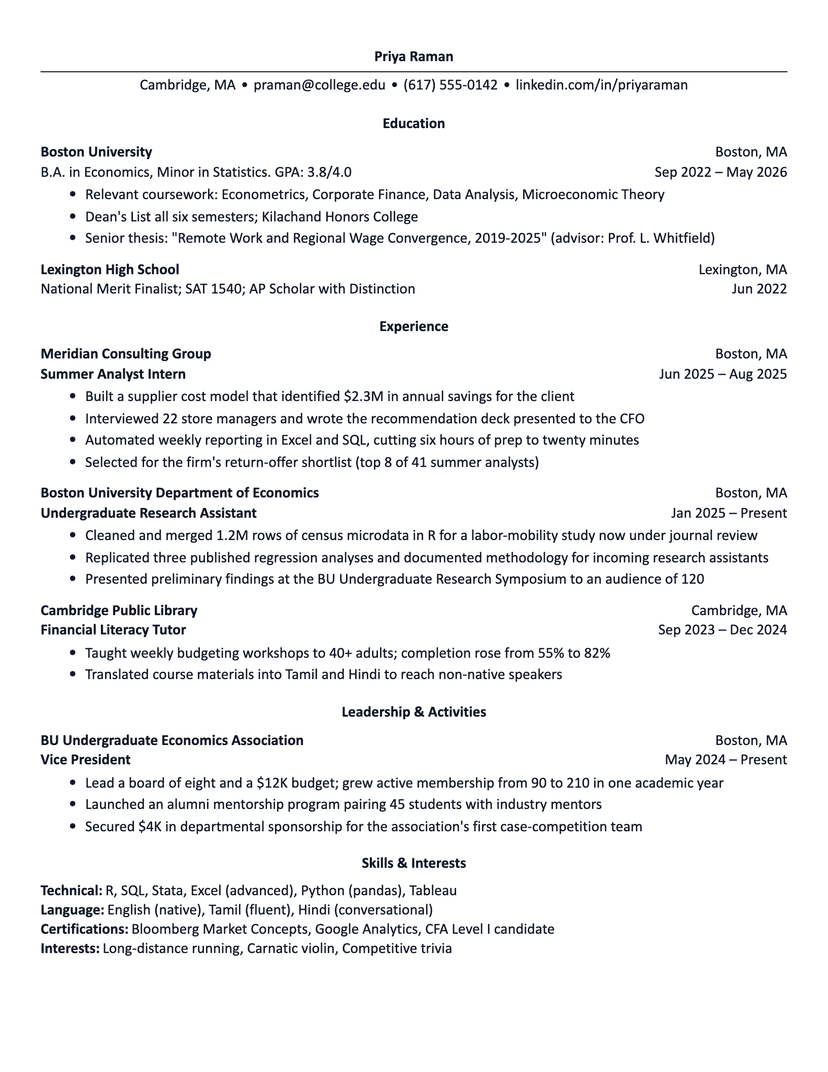
Harvard
academic · plain
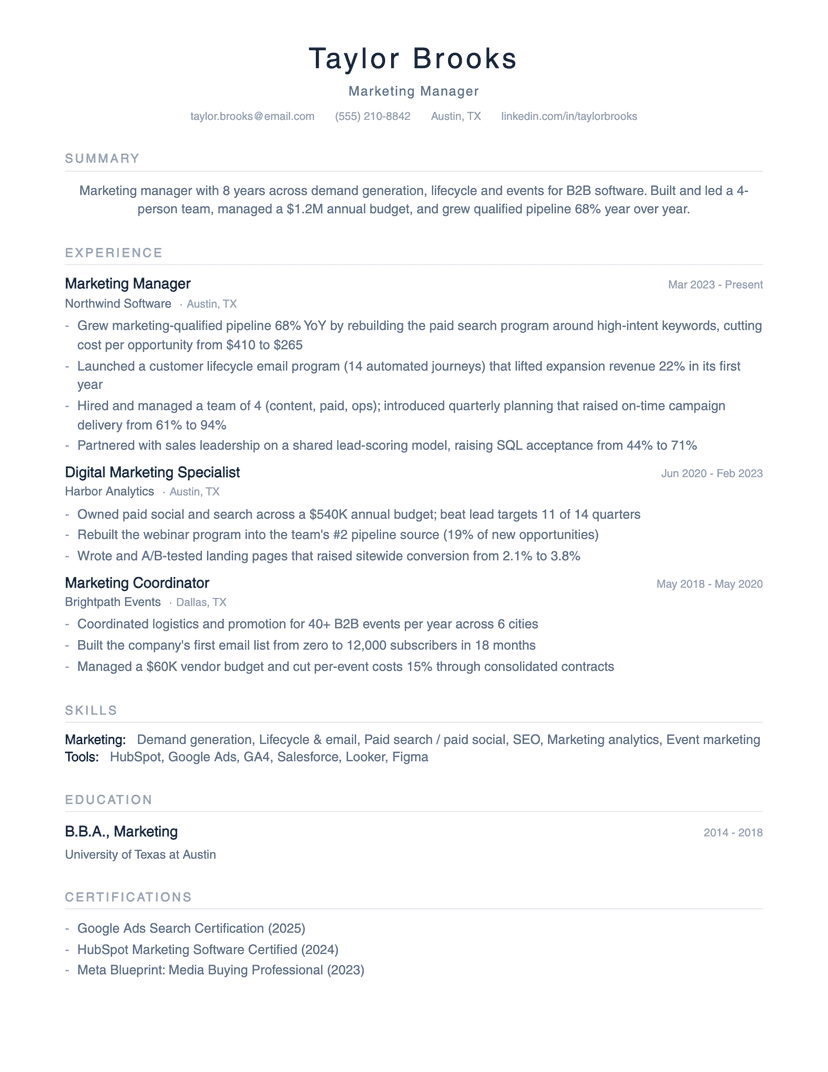
Minimalist
minimalist · whitespace
Classic
clean · traditional

Timeline
timeline · visual
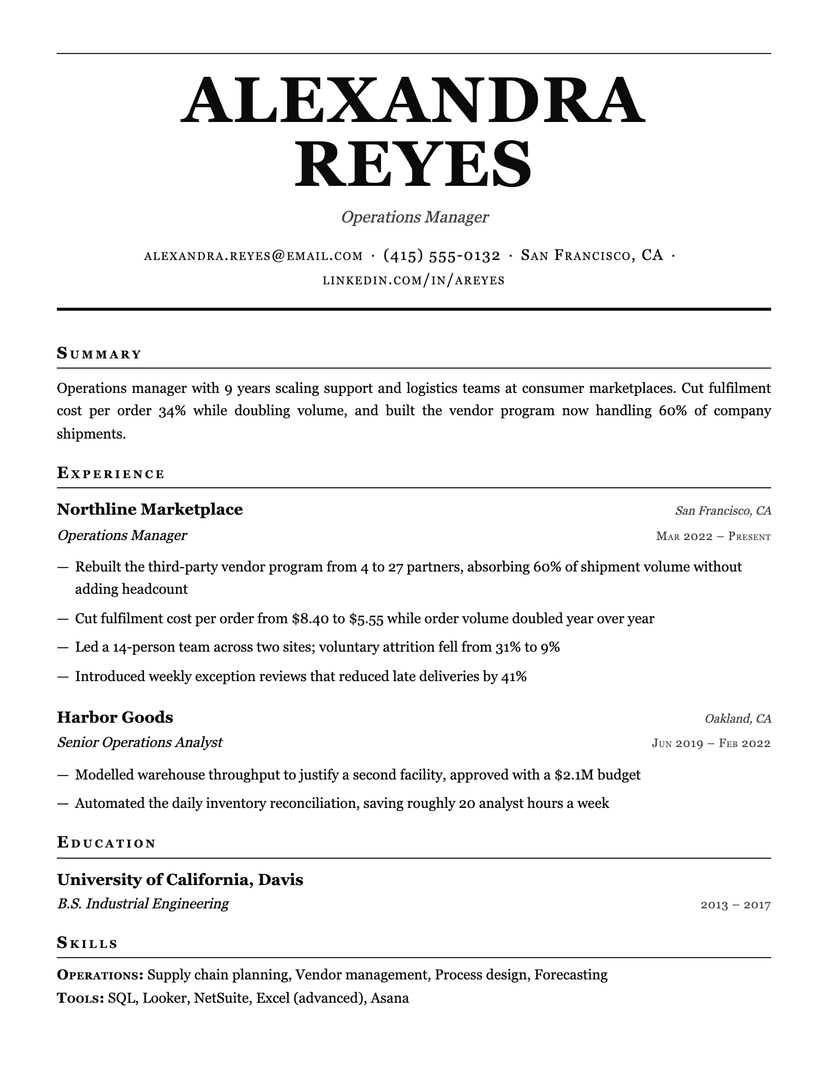
Broadsheet
serif · traditional

Editorial
modern · editorial
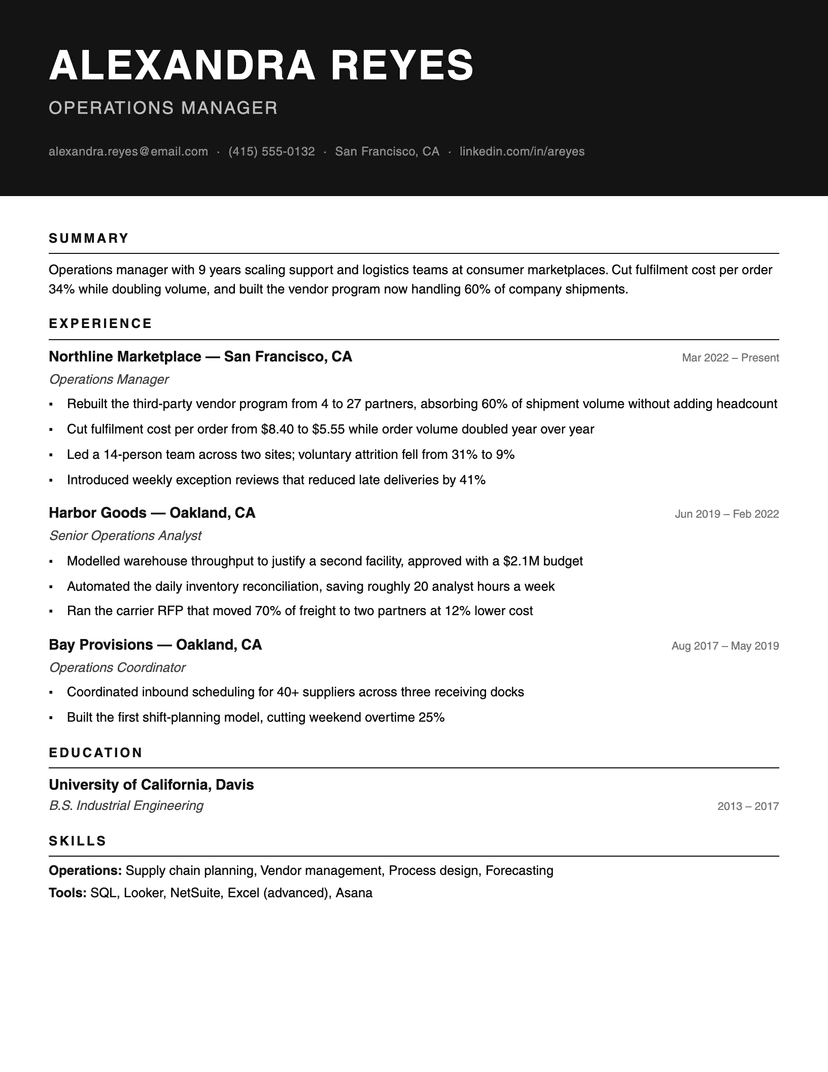
Ink Block
bold · monochrome
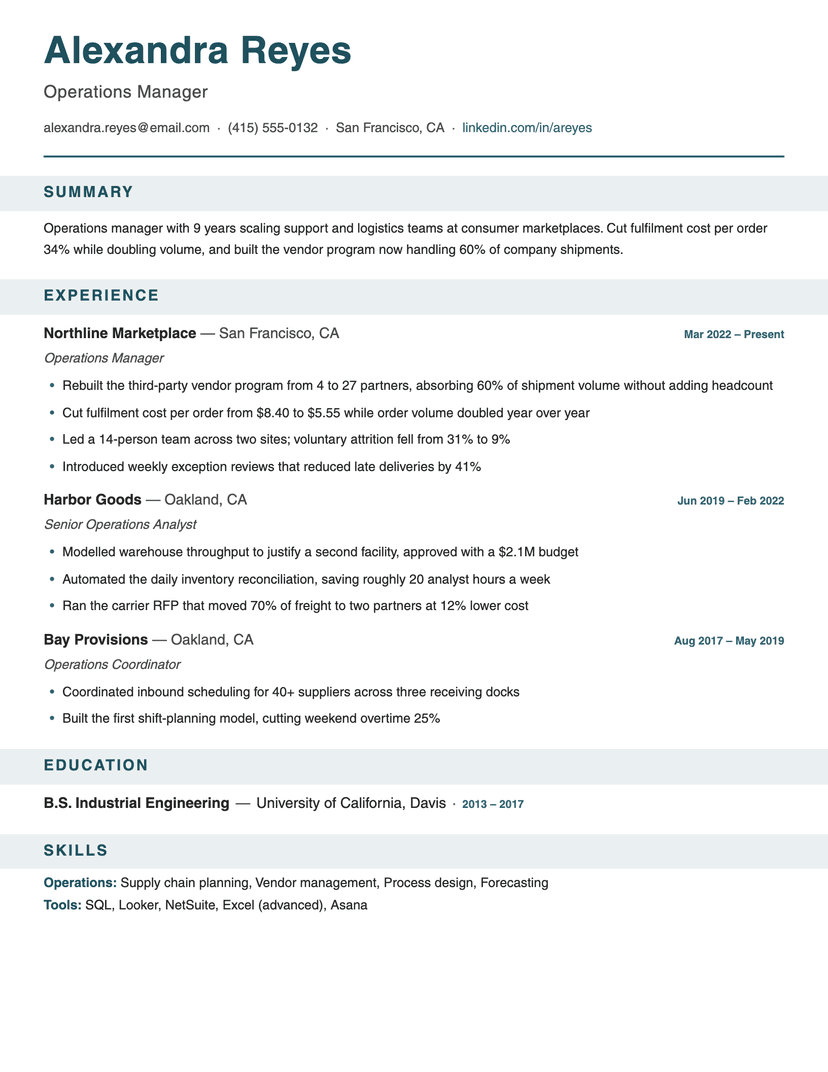
Banner
bold · structured
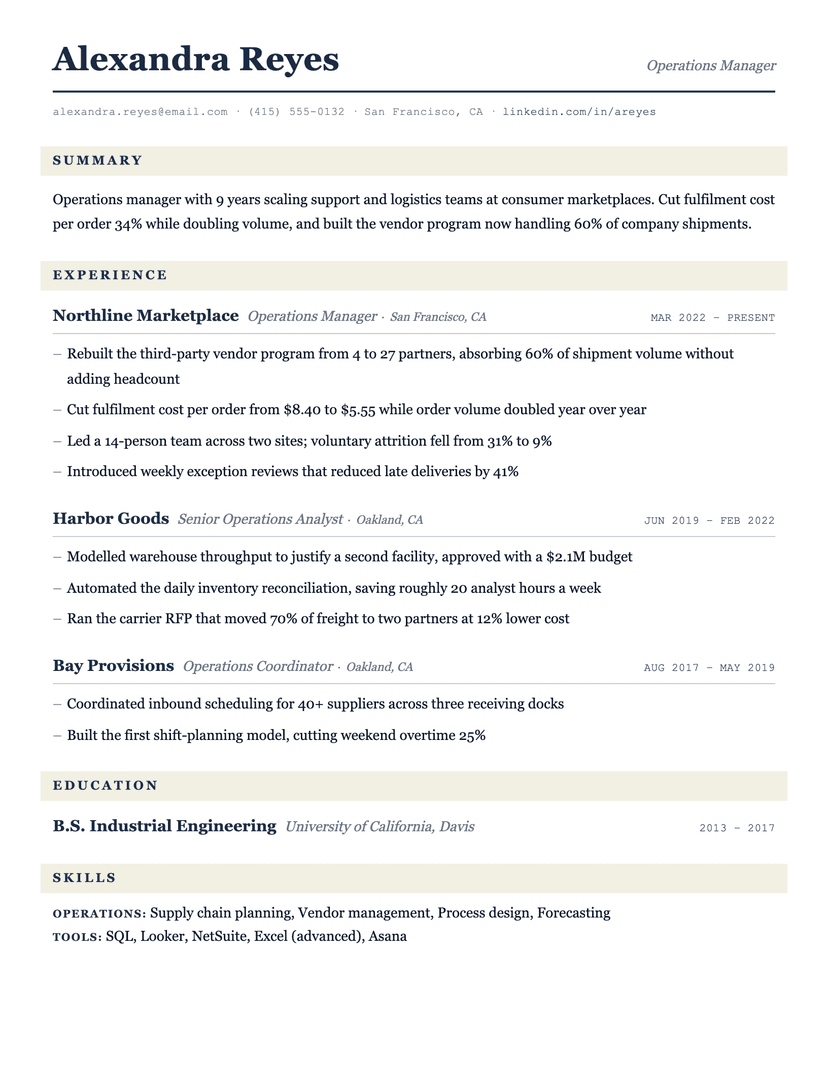
Ledger
serif · traditional
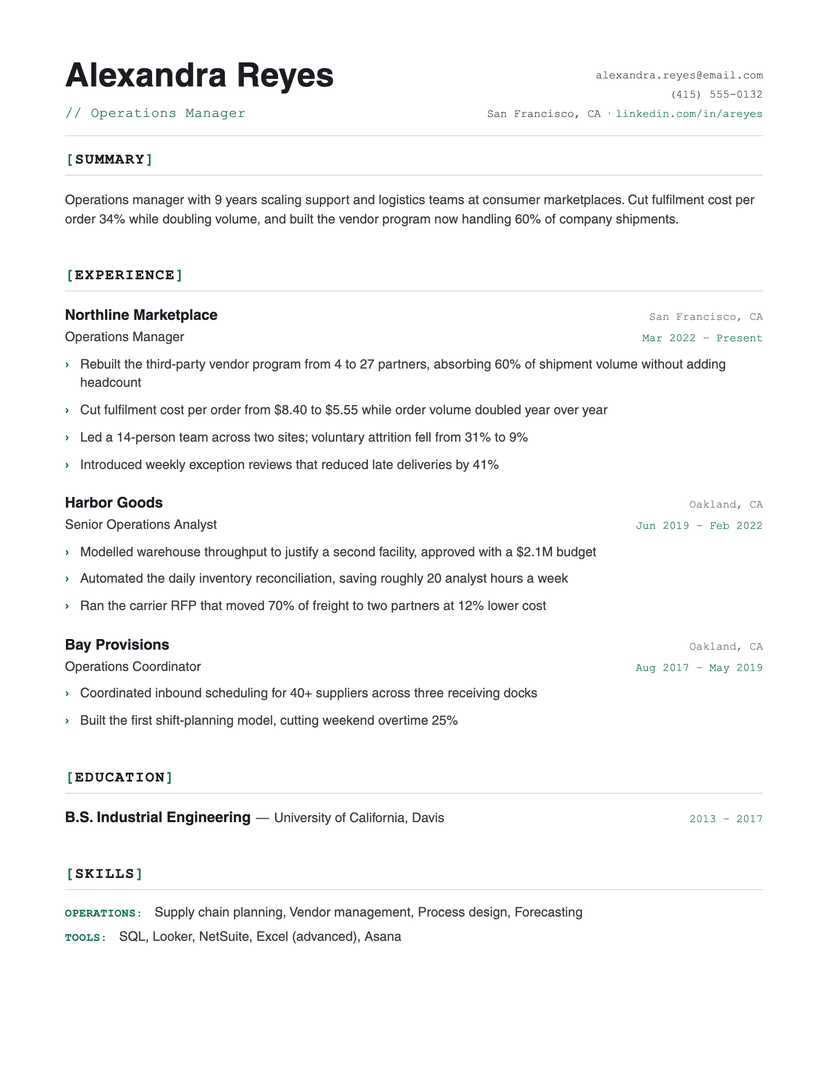
Bracket
technical · monospace
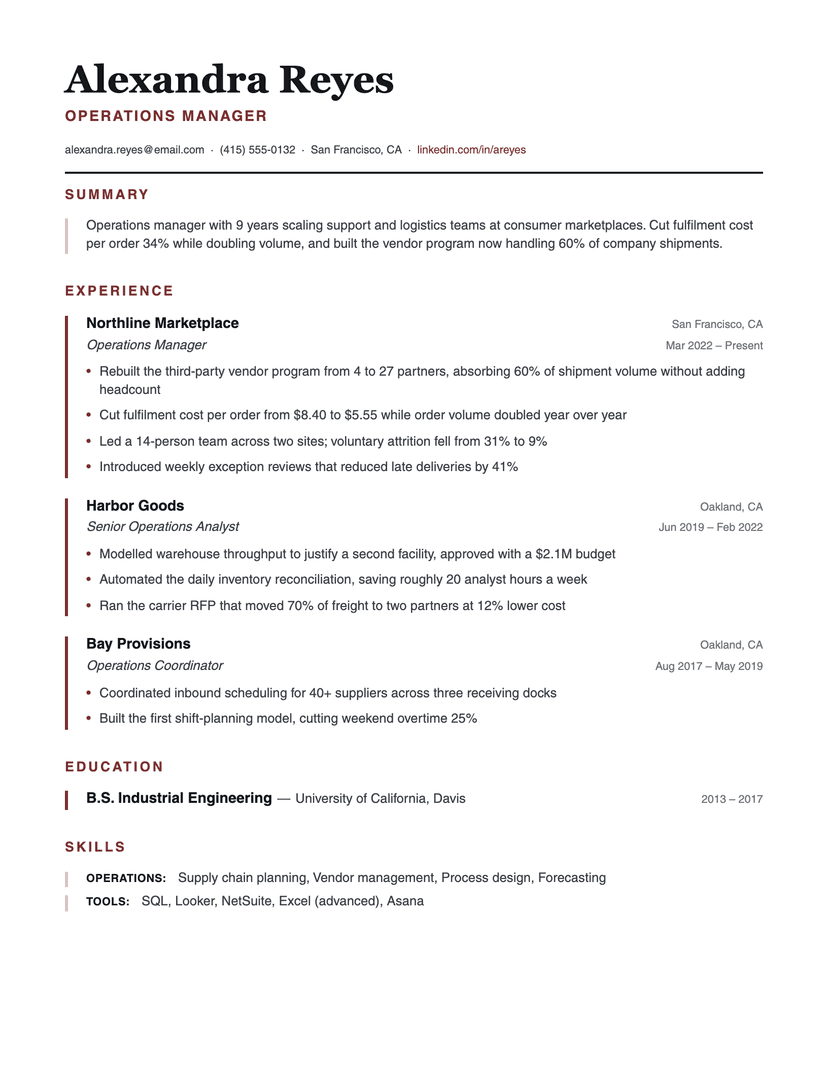
Left Rule
structured · serif-header
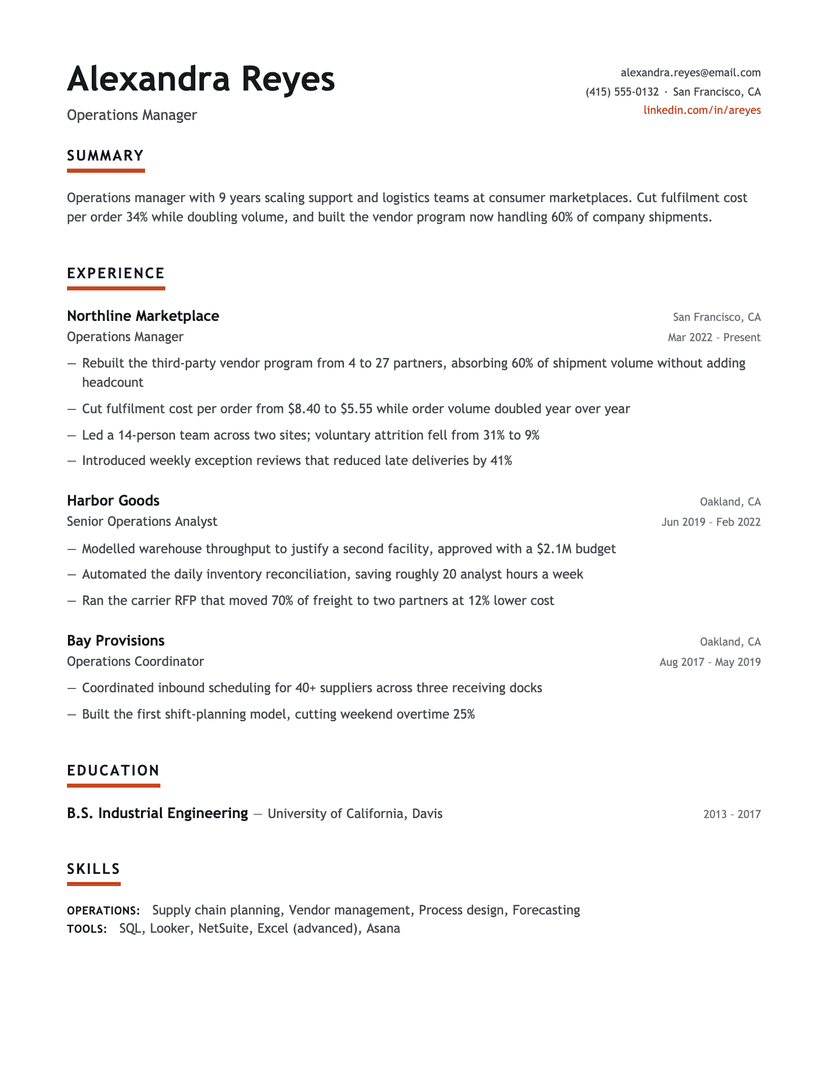
Underline Accent
modern · monochrome
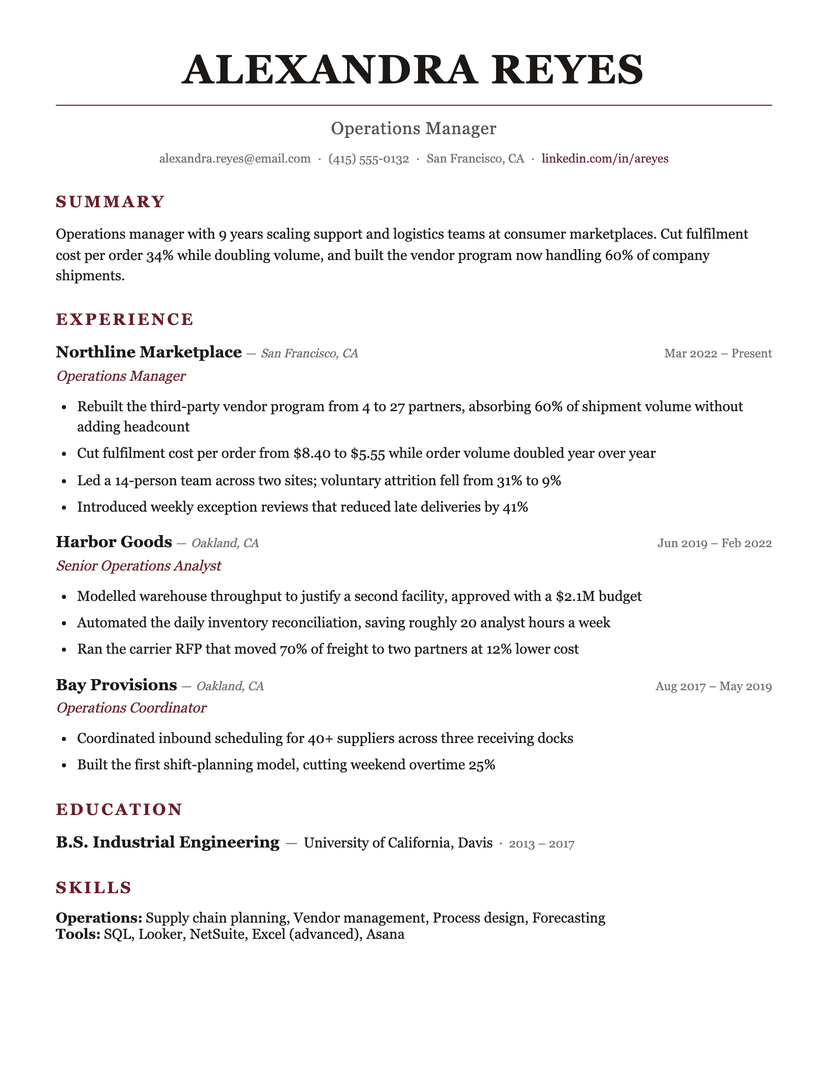
Burgundy
formal · serif
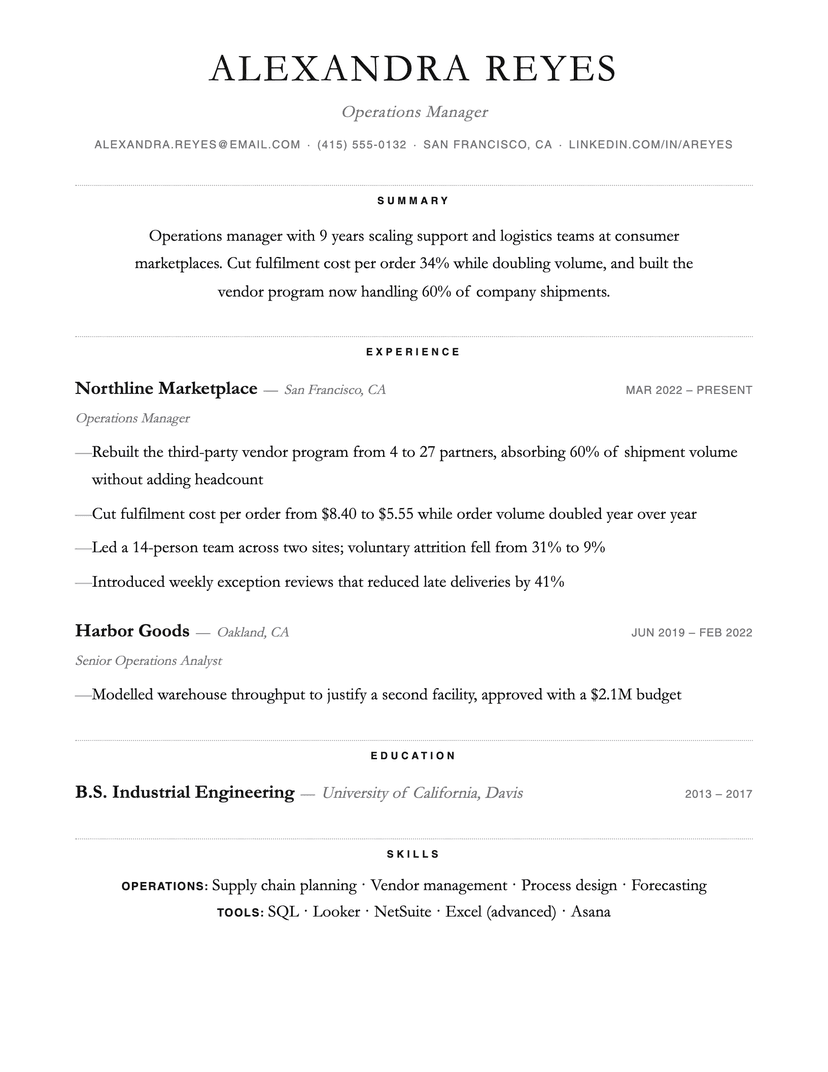
Dotted
minimal · centered

Numbered
systematic · editorial
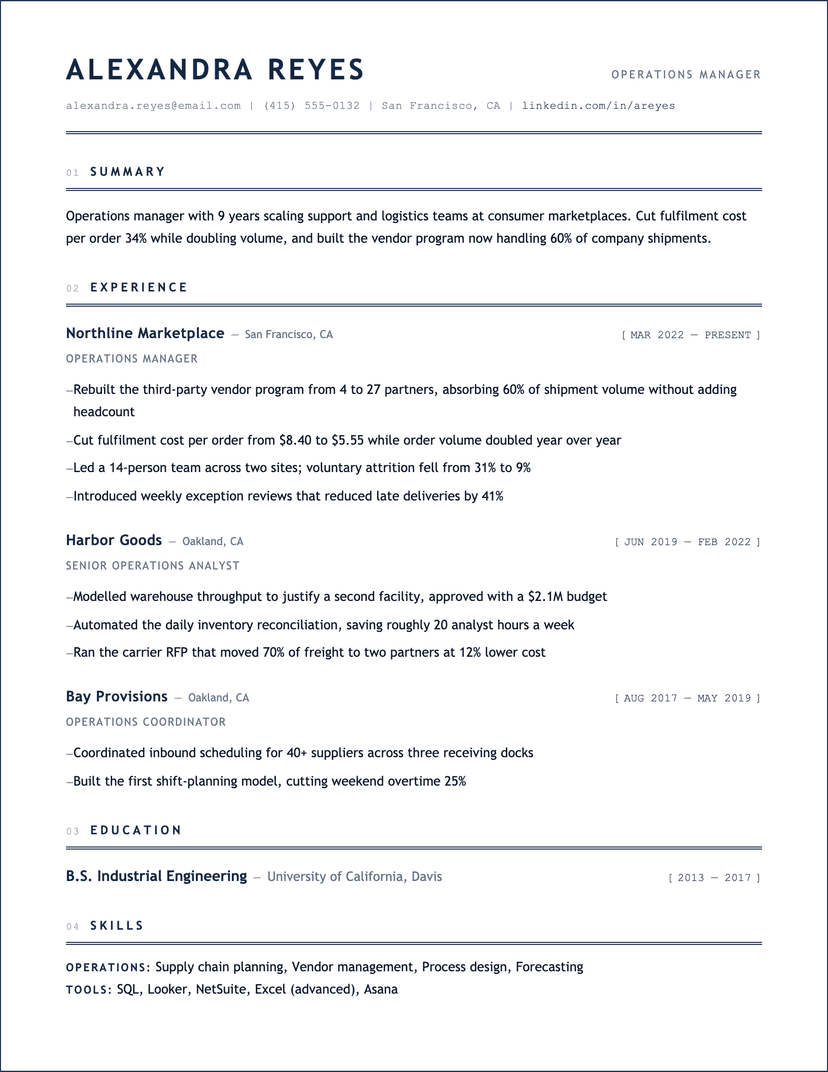
Blueprint
technical · structured
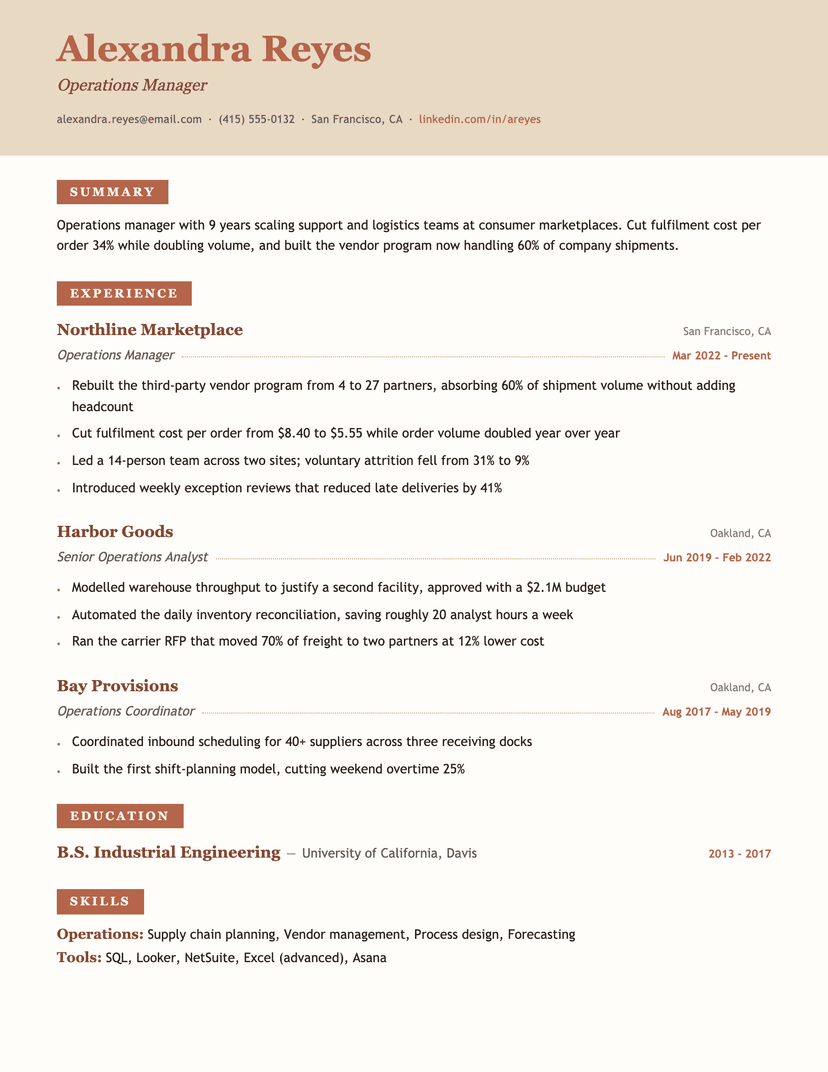
Terracotta
warm · serif
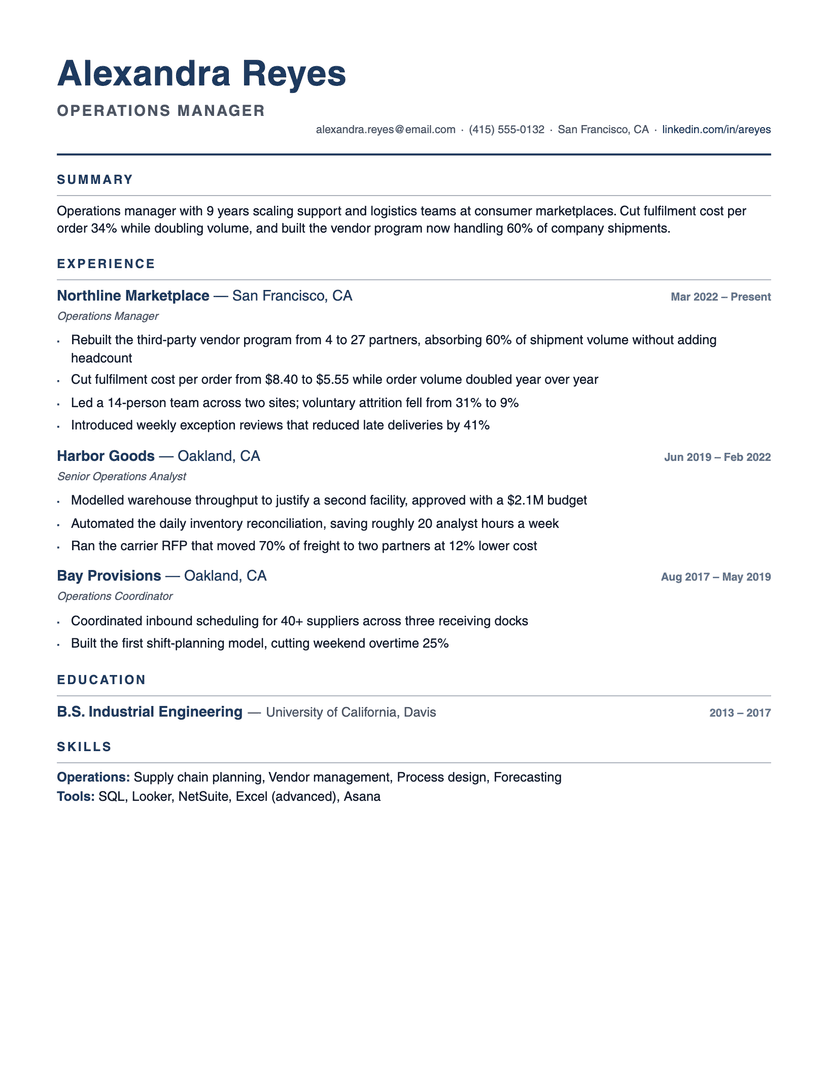
Compact Pro
compact · dense
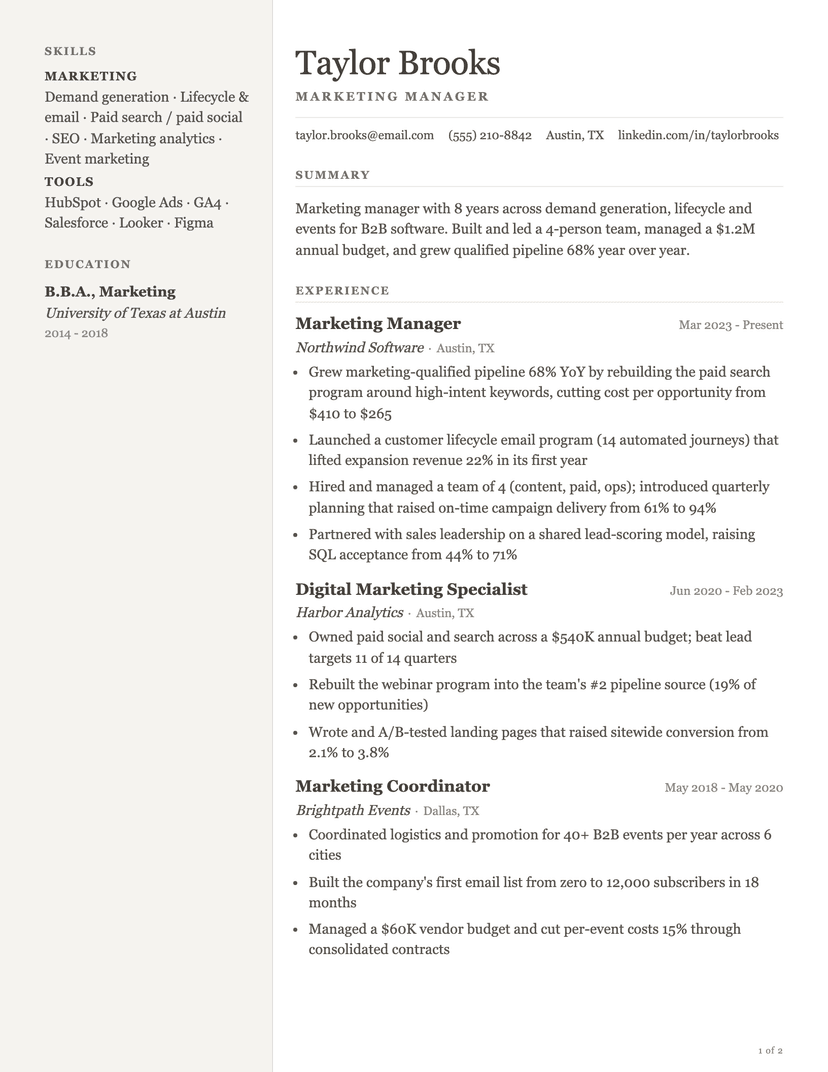
Pallas
serif · two-column
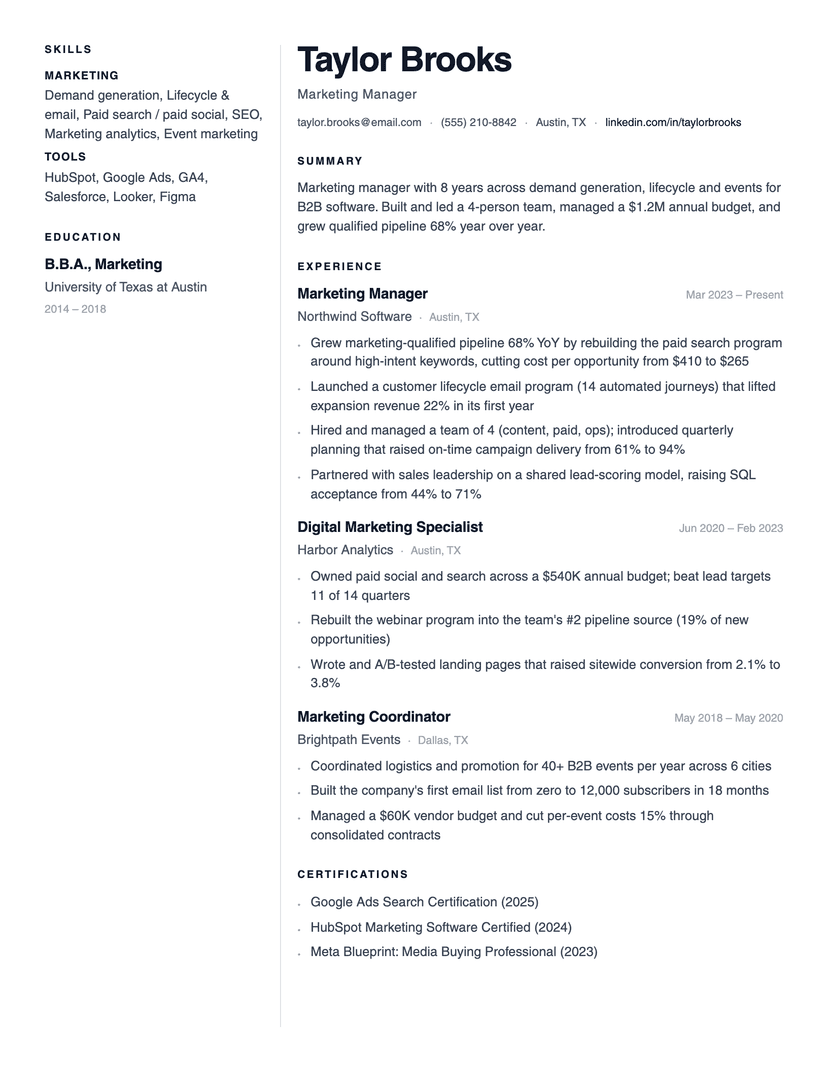
Lumen
minimal · two-column
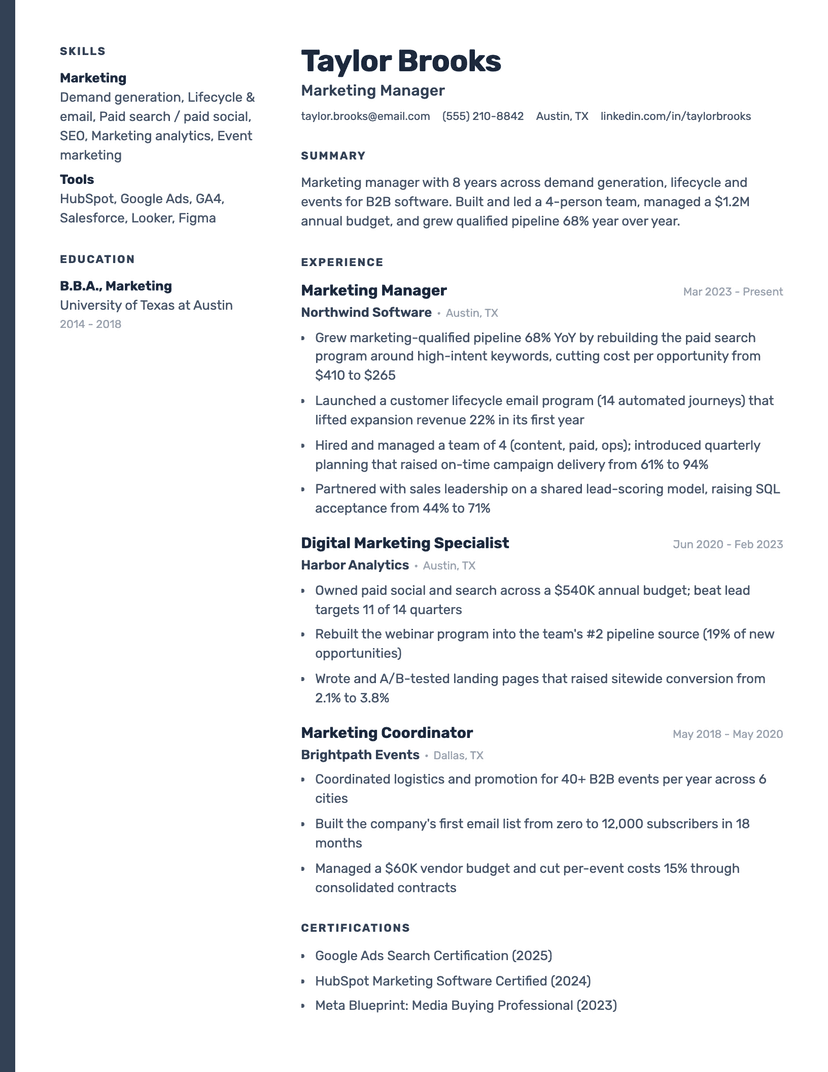
Slate Rail
two-column · modern
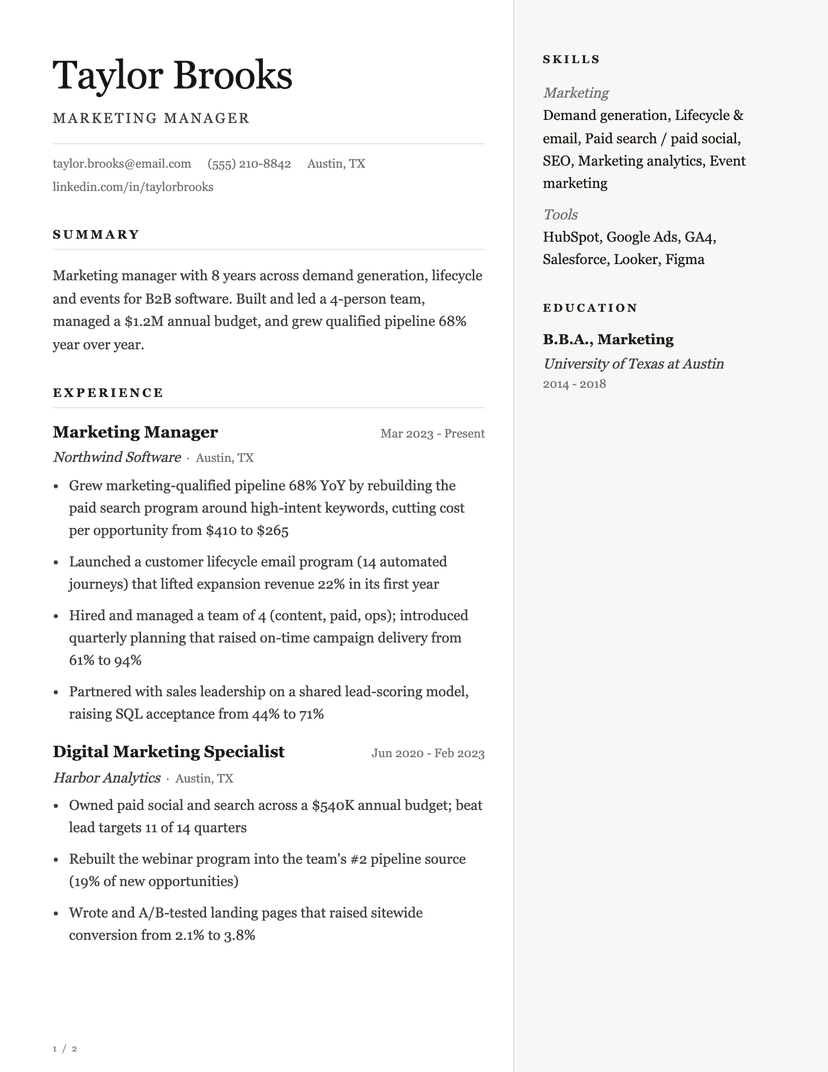
Ovation
serif · monochrome
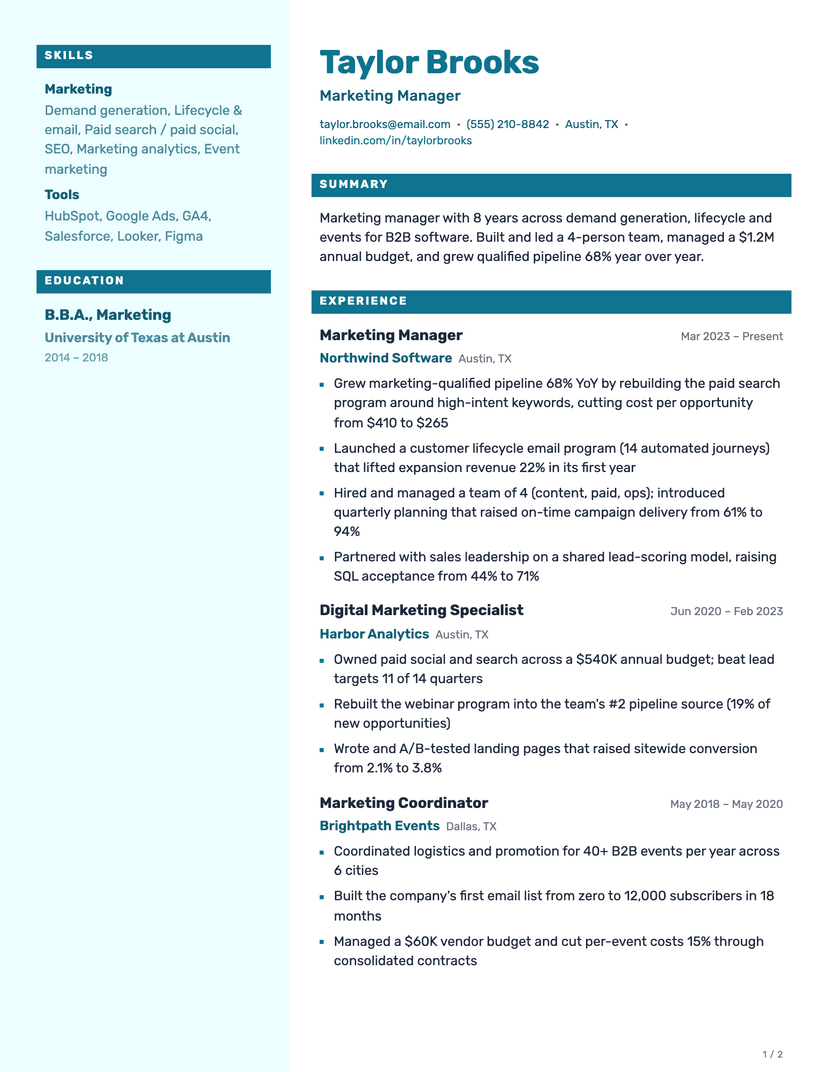
Fathom
two-column · modern

Aperture
two-column · modern
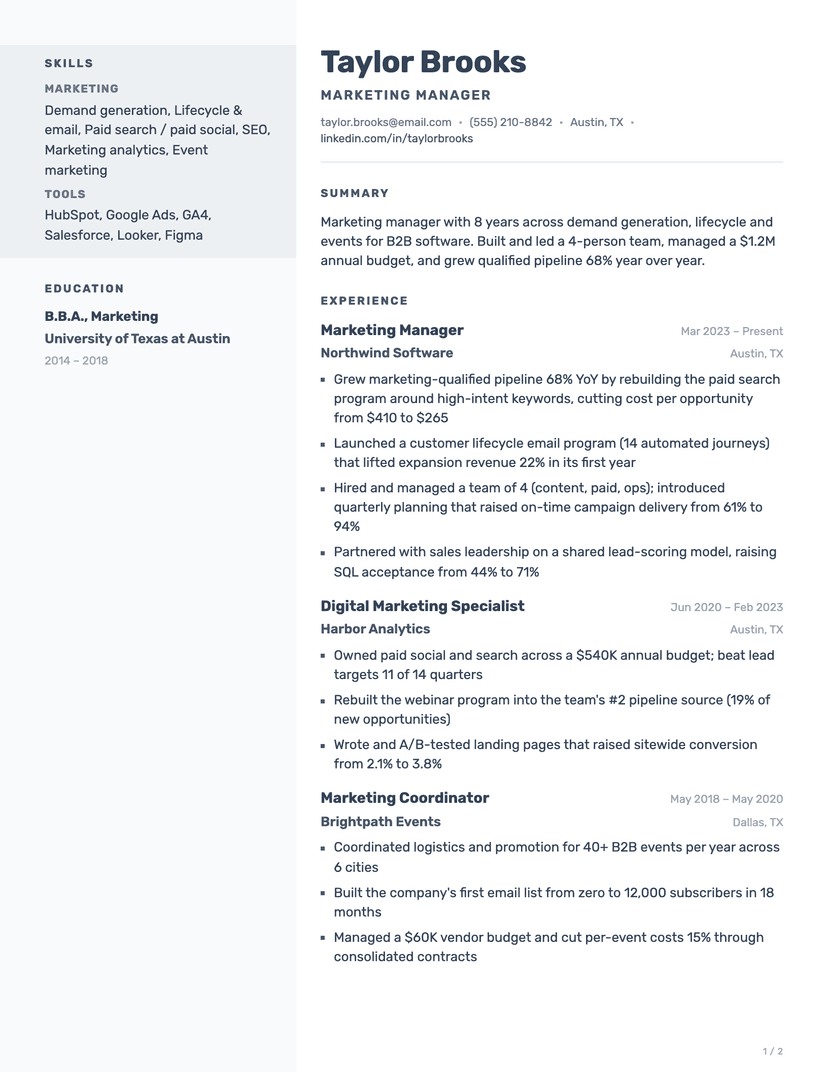
Cadence
two-column · modern
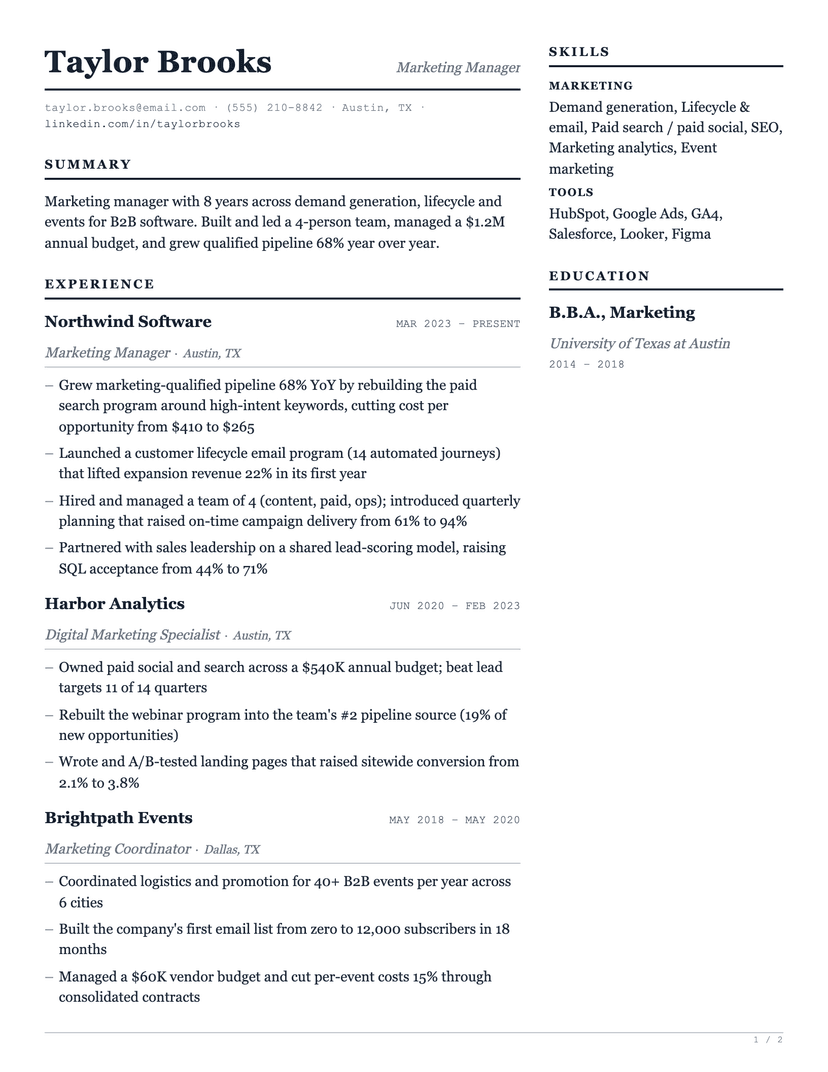
Ledger Two
two-column · serif

Porcelain
minimal · light
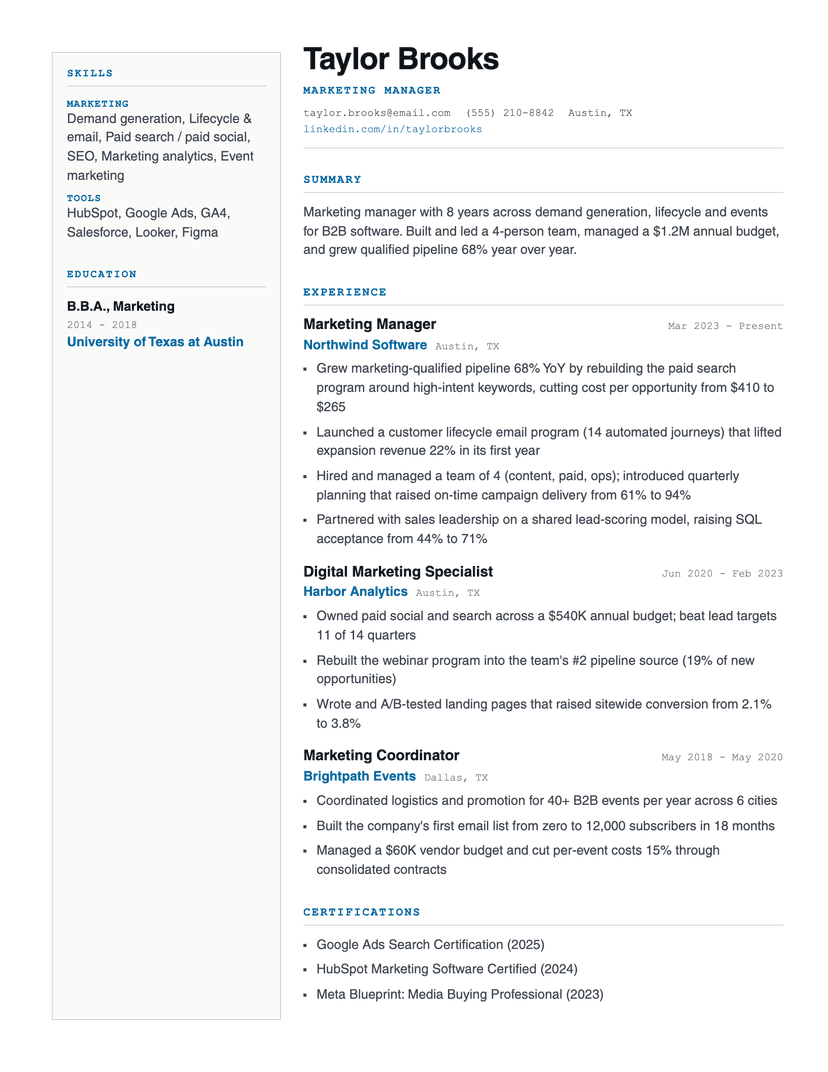
Foundry
two-column · technical
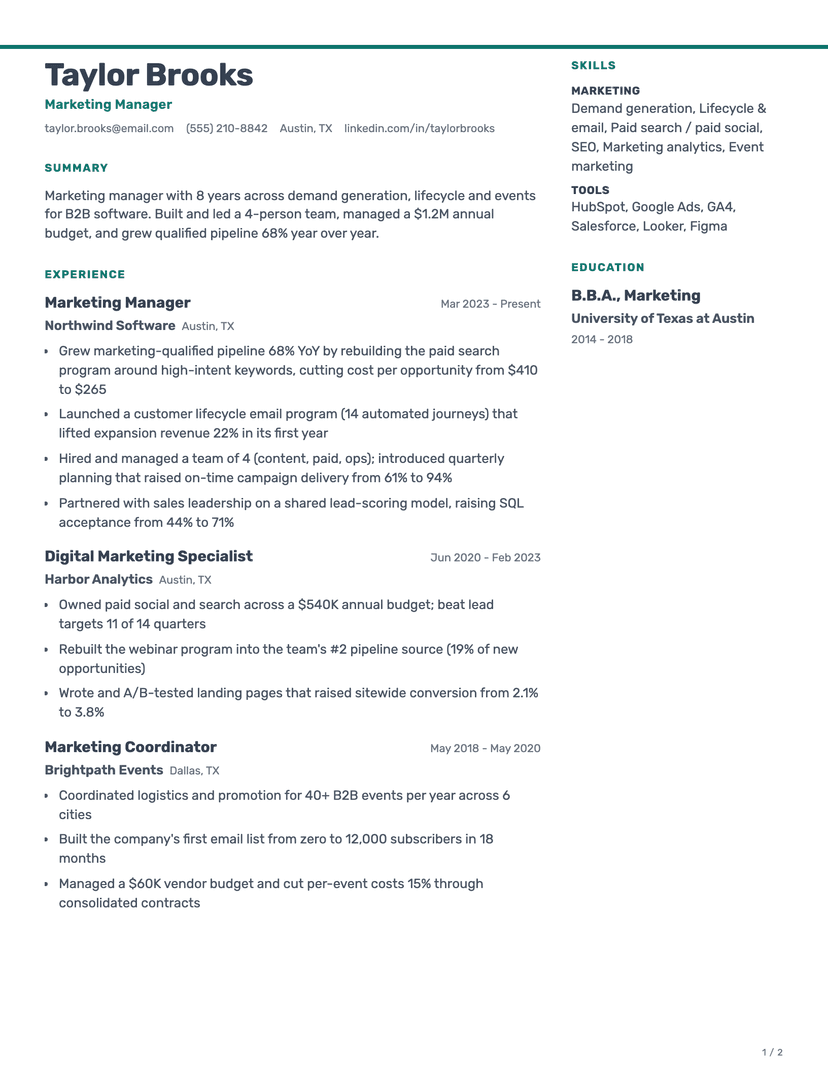
Halyard
two-column · modern
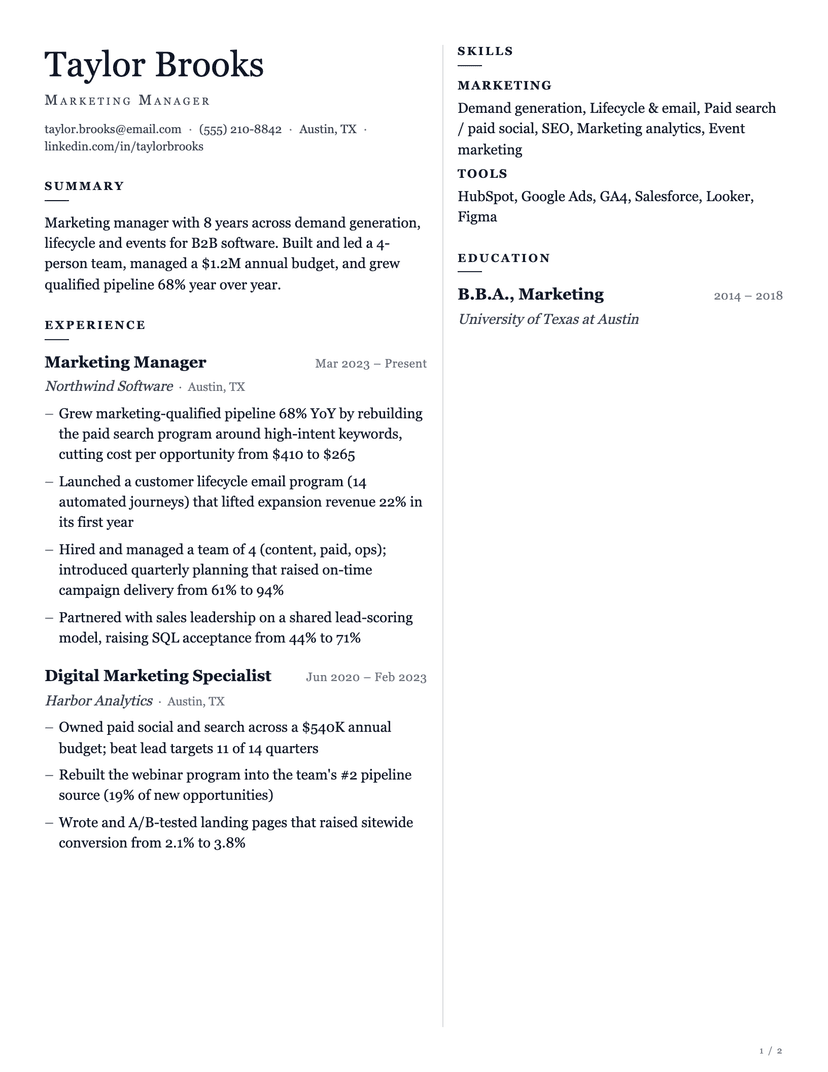
Corbel
two-column · serif
Writing a accountant resume
Where the CPA goes (and how to list one in progress)
If you hold the license, it appears twice: appended to your name in the header ("Daniel Okafor, CPA") and in a dedicated certifications section with state and year. Recruiters searching an ATS for "CPA" will match either spot, but the header placement is what a human sees in the first half-second of a skim — and for senior, audit, and controller-track roles it's often the difference between a read and a pass.
In progress still counts, but only if you're precise about it. "CPA candidate — 3 of 4 sections passed, REG scheduled Nov 2026" tells a recruiter exactly where you are; a bare "CPA in progress" reads as anywhere from studying to stalled. Same for CMA. Never put unearned letters after your name — firms verify licenses, and an inflated credential ends the process immediately.
Software names are the second keyword gate
After the credential filter, accounting screens match on systems — and the matching is literal. Name your ERP and tools exactly: QuickBooks, NetSuite, SAP, Oracle, Sage Intacct, Bill.com, Expensify. "Various accounting systems" matches nothing. List them in a skills group AND name them inside experience bullets where you used them, because a bullet like "led the QuickBooks-to-NetSuite migration" proves depth a skills list can't.
Excel deserves specificity too. Every accountant claims Excel; "Excel (pivot tables, XLOOKUP, macros)" separates you from the version of that claim that means basic data entry. If a posting names an ERP you've only touched, list it honestly as exposure — accounting interviews probe system depth quickly, and overclaiming SAP is a fast way to fail a technical screen.
Quantifying work that isn't revenue
Accountants often under-quantify because the work doesn't produce sales numbers — but accounting has its own metrics, and hiring managers know them. Close-cycle days ("cut close from 9 to 5 business days"), audit outcomes ("zero adjusting entries two years running"), scope ("GL for 4 entities, $180M combined revenue", "2,400 active vendors"), and recovered dollars ("found $210K/year in duplicate payments") all convert routine responsibilities into evidence of competence.
One structural note if you're crossing between public and corporate accounting: translate your experience into the target's language. Public-side resumes should quantify engagement count, client revenue range, and budget-to-actual performance; corporate-side resumes should quantify close cycles, entity count, and process improvements. An audit associate applying to a senior accountant seat wins by showing the corporate reader what audit rigor does for their close — not by listing engagement acronyms the reader never used.
Frequently asked questions
Should I put CPA after my name on my resume?+
Yes, if the license is active — "Jane Smith, CPA" in the header, plus a certifications section with state and year. It's the single strongest keyword in accounting screens and recruiters look for it in the header first. If you're mid-exam, don't use the letters; list your section progress in certifications instead ("3 of 4 sections passed").
What software should an accountant resume list?+
Whatever you've genuinely used, by exact name: your ERP (QuickBooks, NetSuite, SAP, Oracle, Sage Intacct), Excel with specifics (pivot tables, XLOOKUP, macros), and any AP/AR or close tools (Bill.com, FloQast, BlackLine). Mirror the posting's names — ATS matching is literal, and "various ERP systems" matches nothing.
How do I quantify accounting work on a resume?+
Use accounting's own numbers: close-cycle days reduced, entities and revenue under your GL, audit findings (or the absence of them), reconciliation volume, dollars recovered or saved, vendor/invoice counts. "Closed the books" is a duty; "cut close from 9 to 5 days across 4 entities" is a result.
Is this template ATS-friendly?+
Yes — single column, standard section headings, no tables, graphics, or text boxes, with contact details in the document body. It parses cleanly through Workday, Taleo, and iCIMS, the systems most common at accounting firms and corporate finance teams, and the Word export uses real document structure.
Templates for other roles
Already have a resume? See exactly what an ATS parses out of it.
Run the free ATS checker