

Browse resume templates
Browse all
Jake's Resume
dense · serif
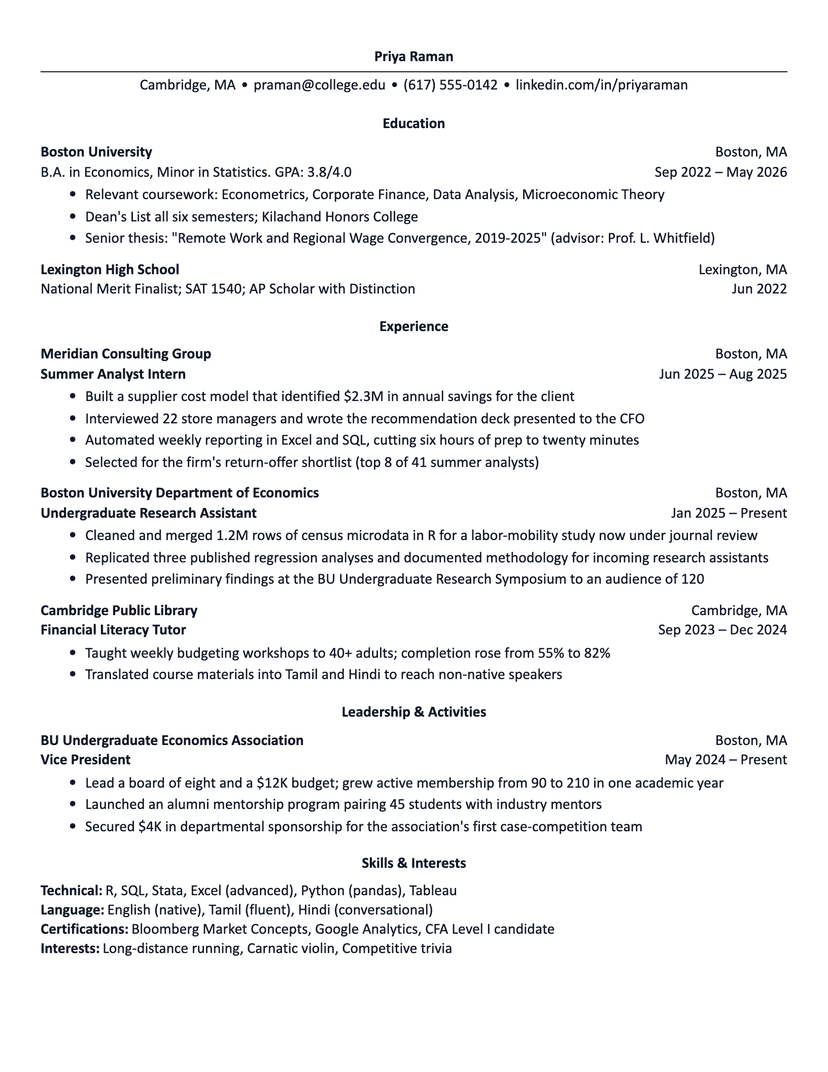
Harvard
academic · plain
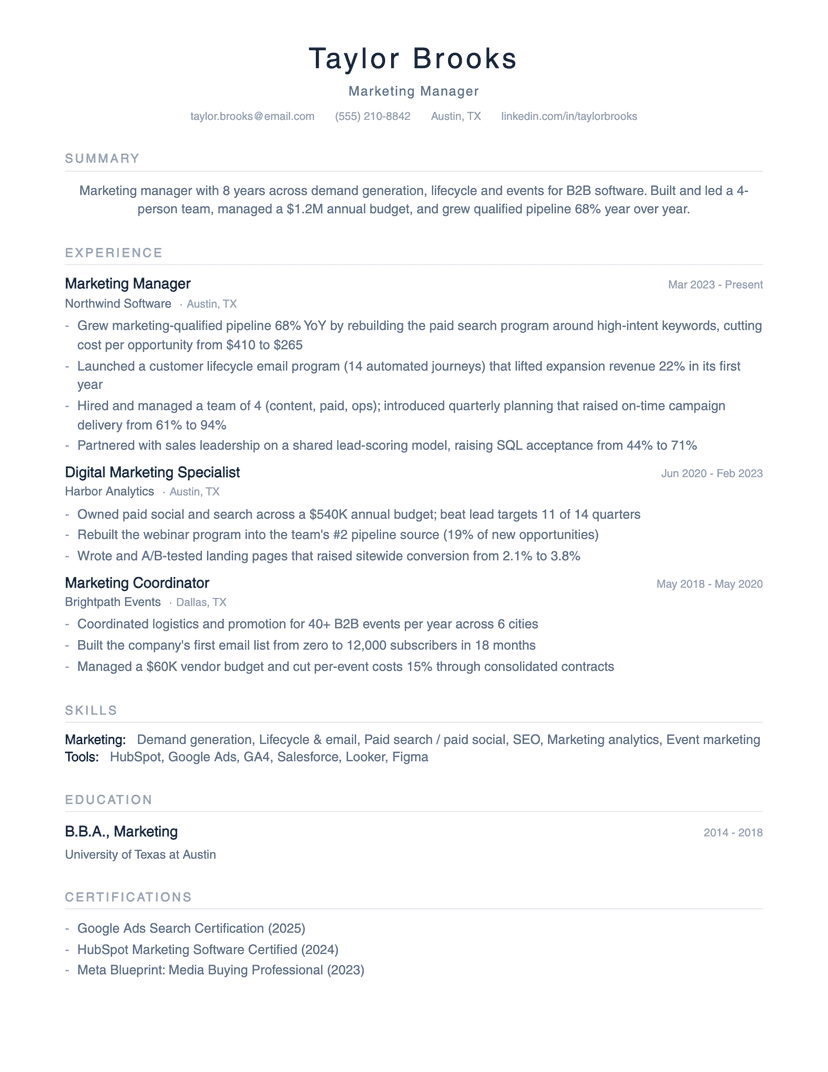
Minimalist
minimalist · whitespace
Classic
clean · traditional

Timeline
timeline · visual
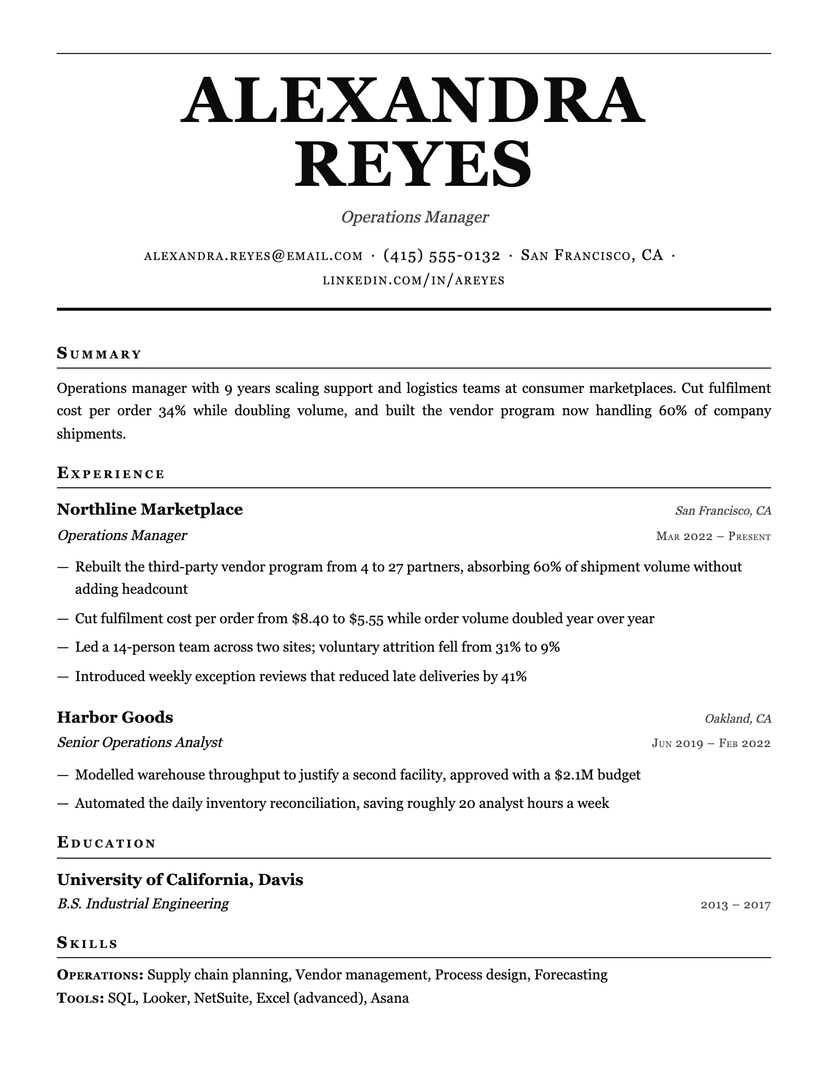
Broadsheet
serif · traditional

Editorial
modern · editorial
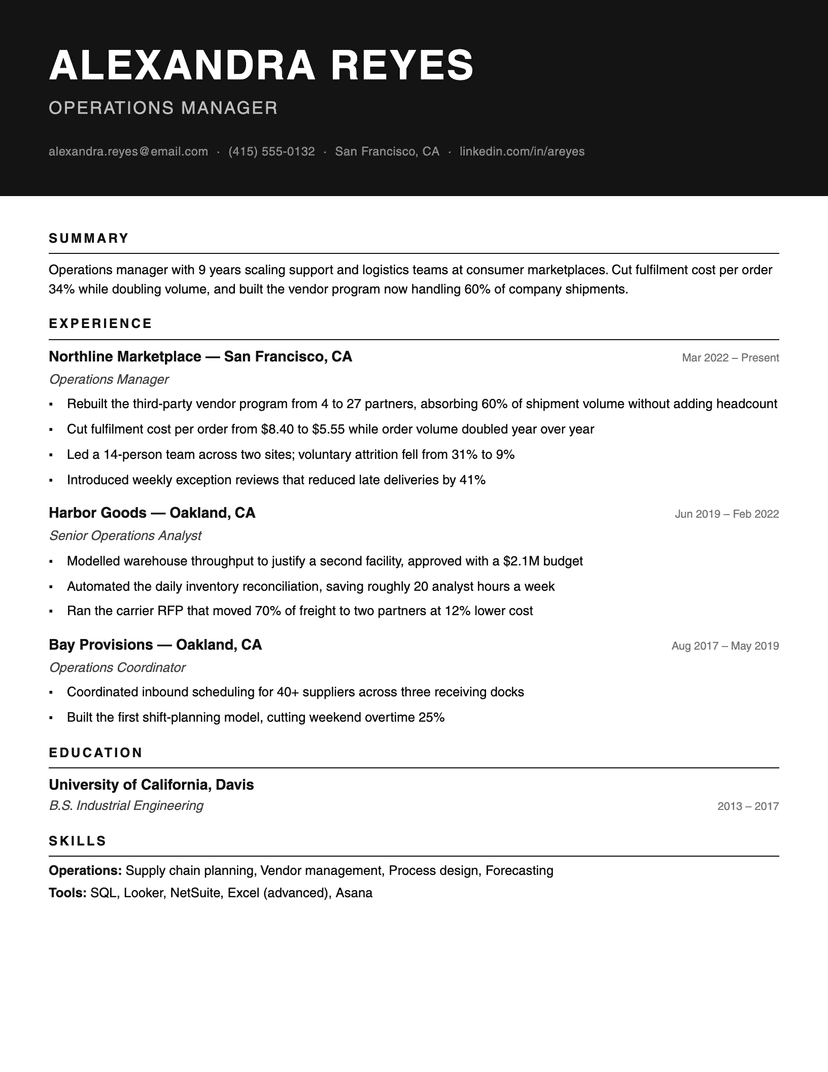
Ink Block
bold · monochrome
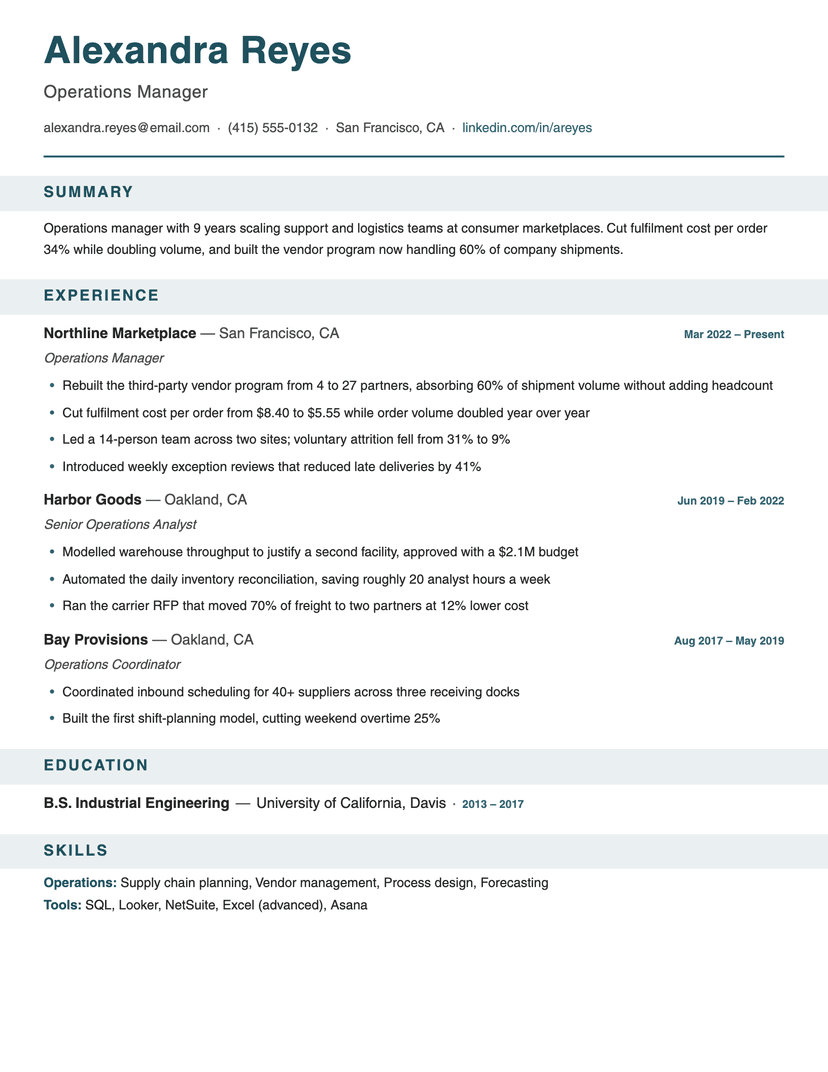
Banner
bold · structured
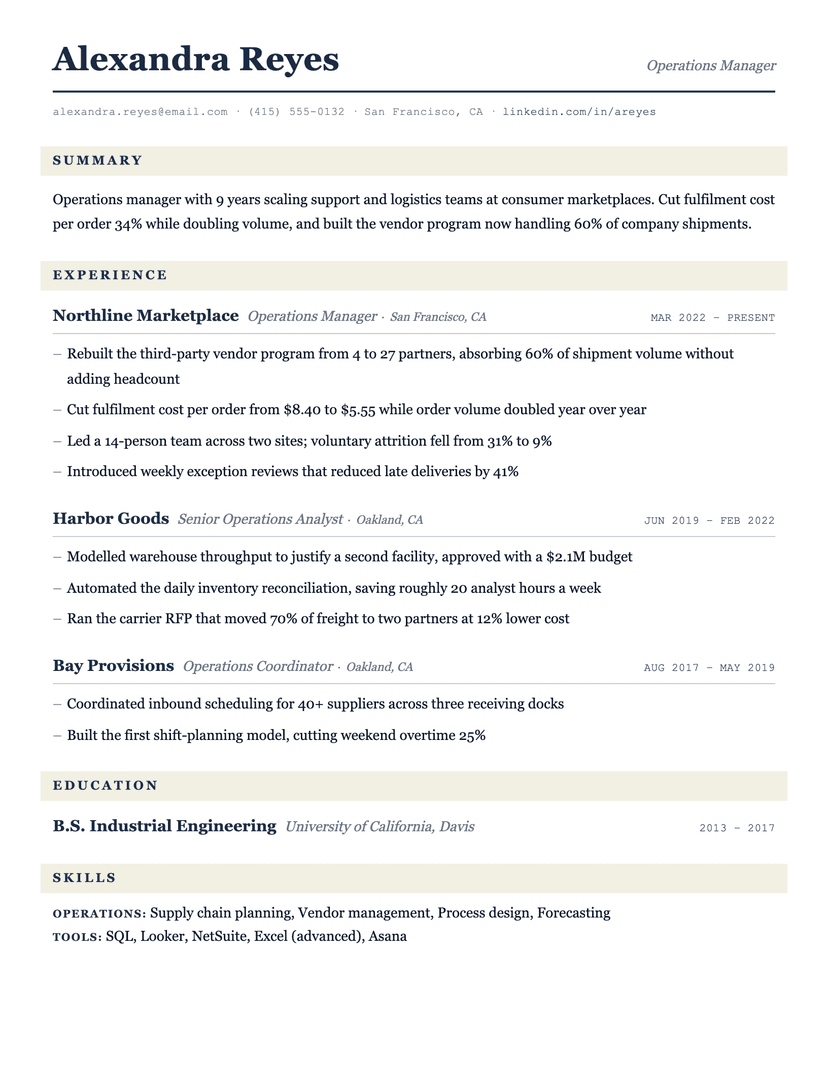
Ledger
serif · traditional
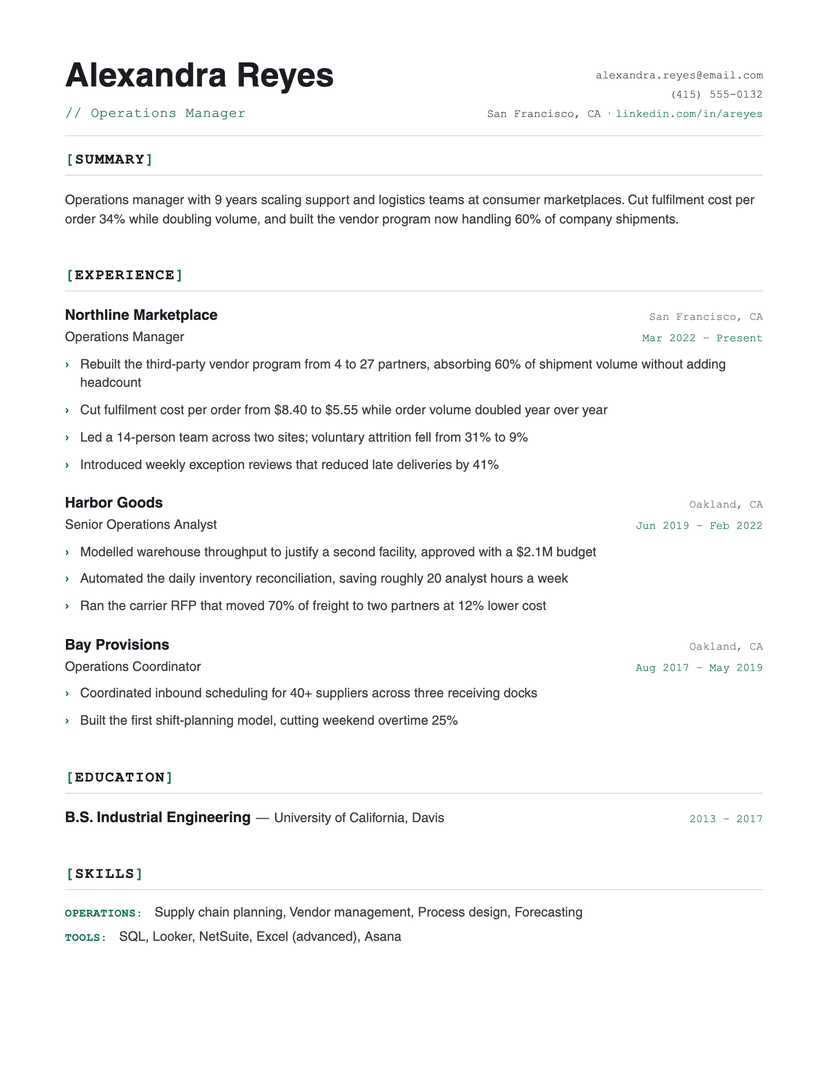
Bracket
technical · monospace
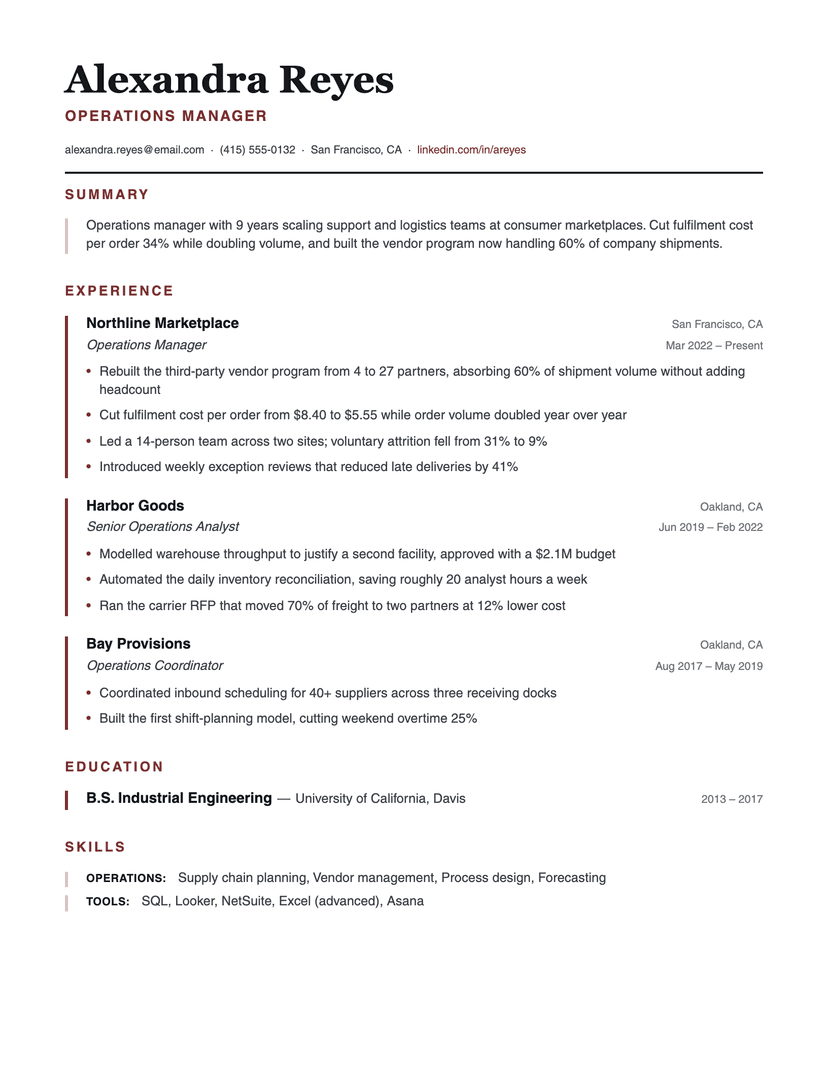
Left Rule
structured · serif-header
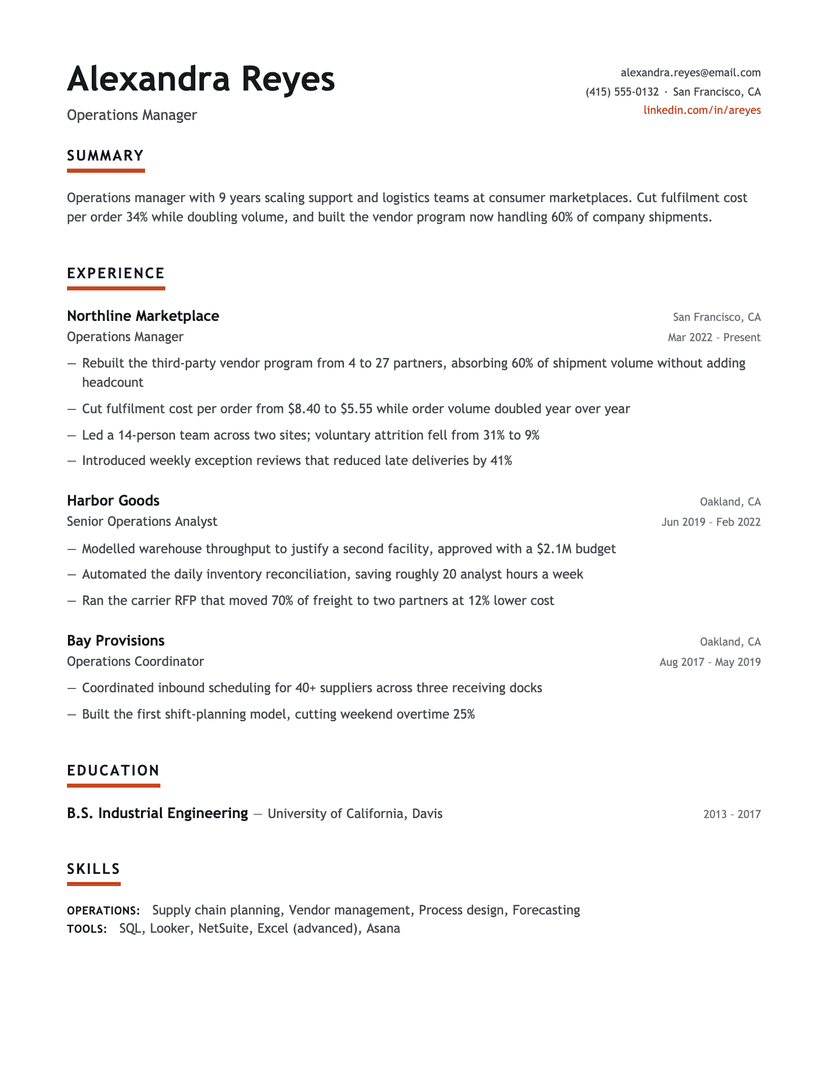
Underline Accent
modern · monochrome
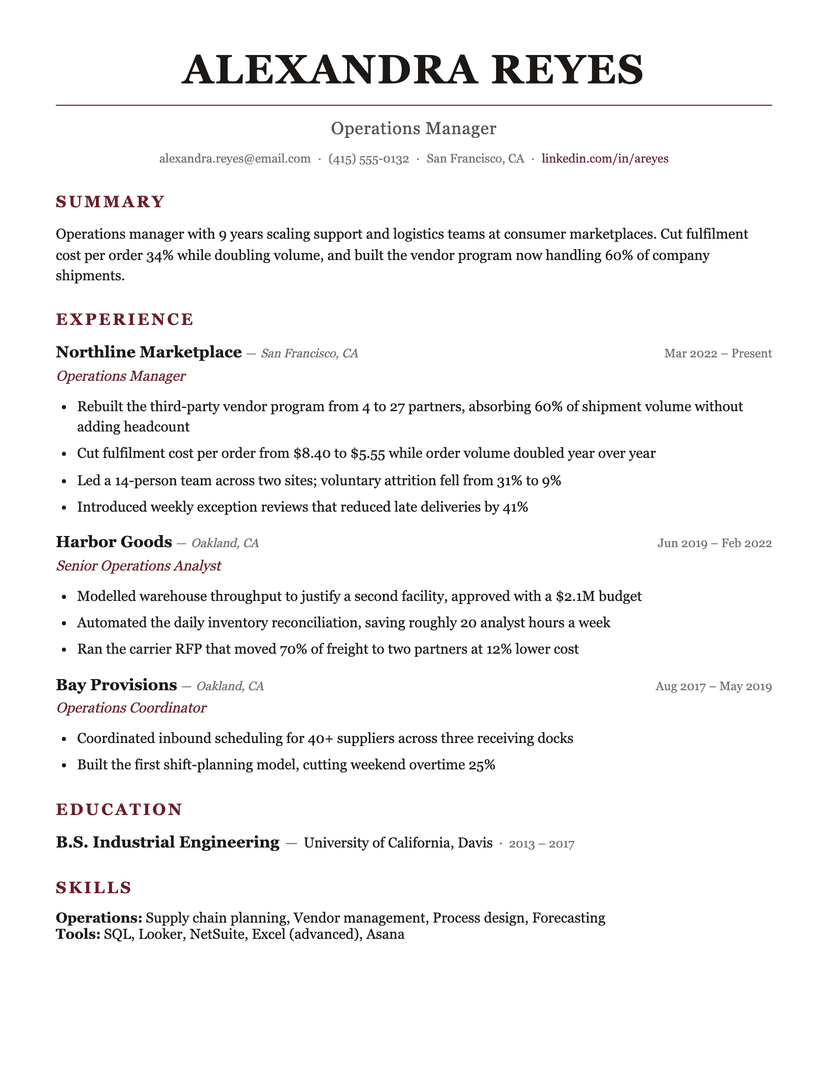
Burgundy
formal · serif
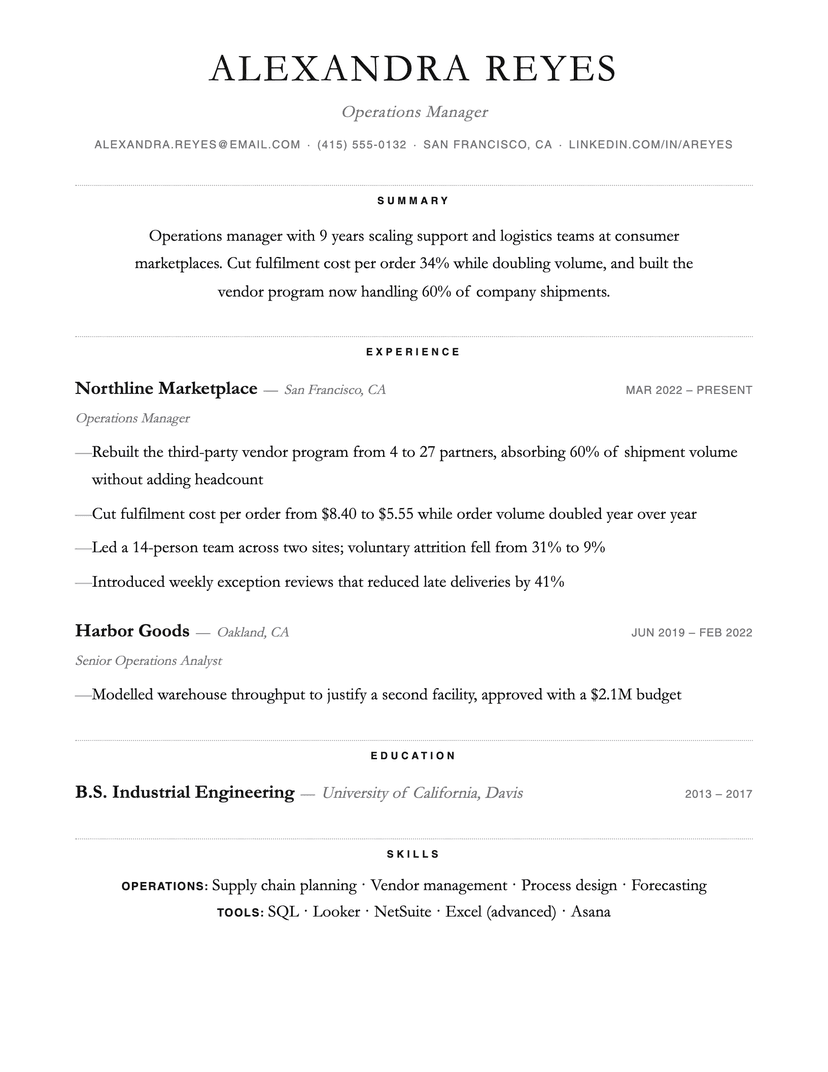
Dotted
minimal · centered

Numbered
systematic · editorial
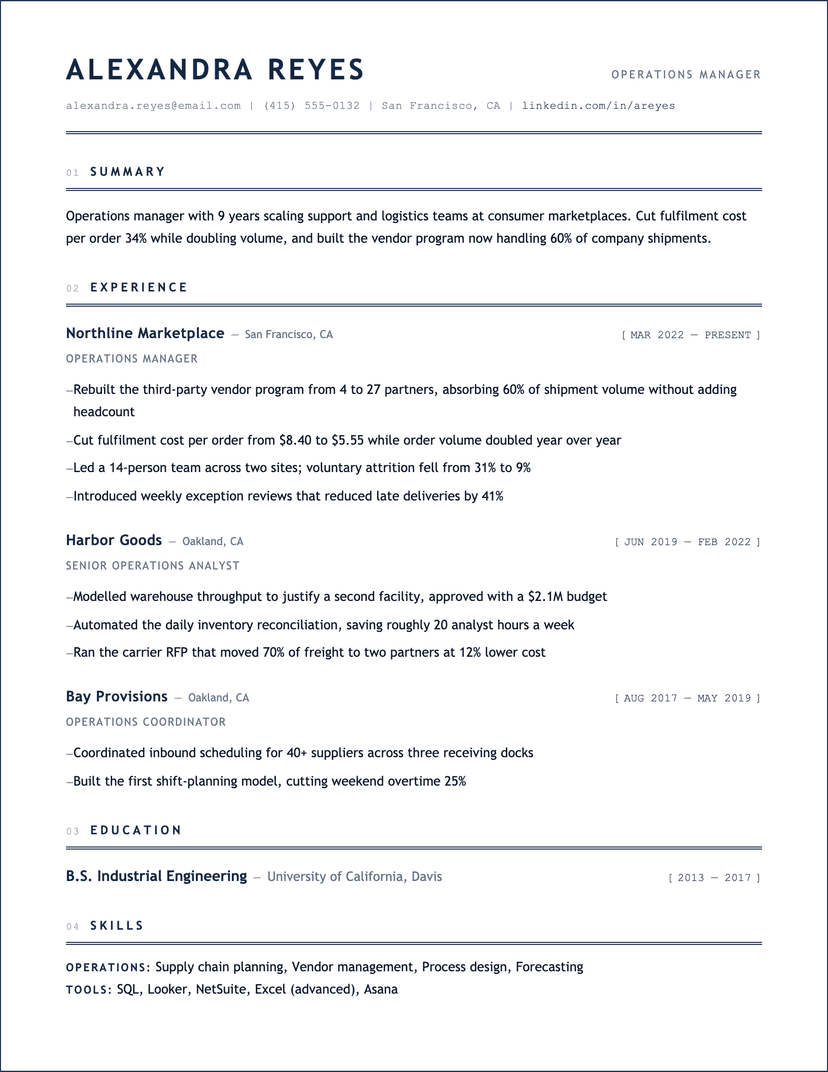
Blueprint
technical · structured
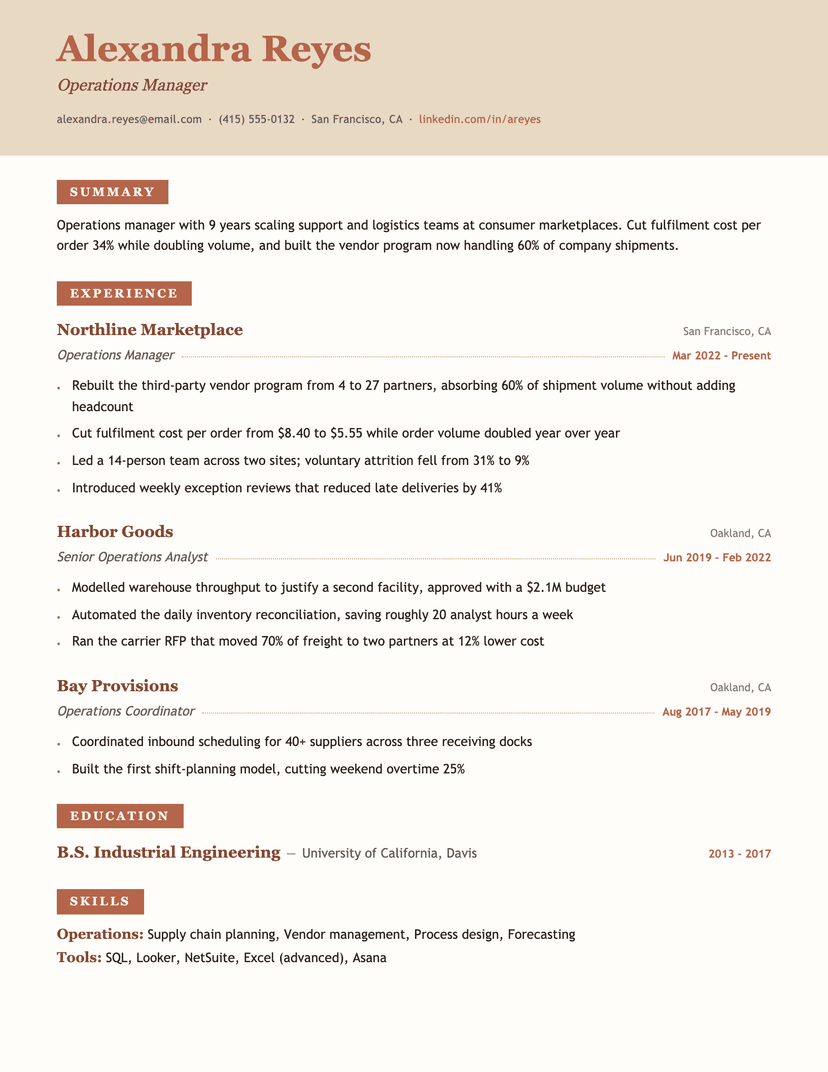
Terracotta
warm · serif
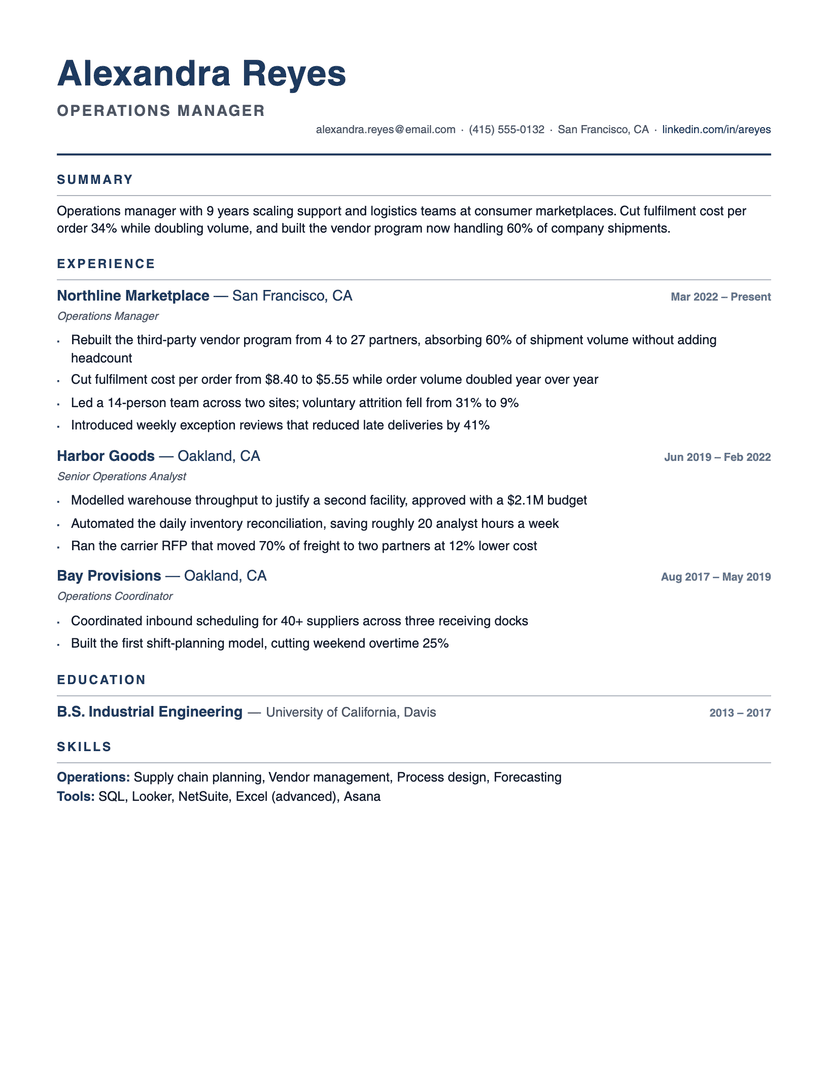
Compact Pro
compact · dense
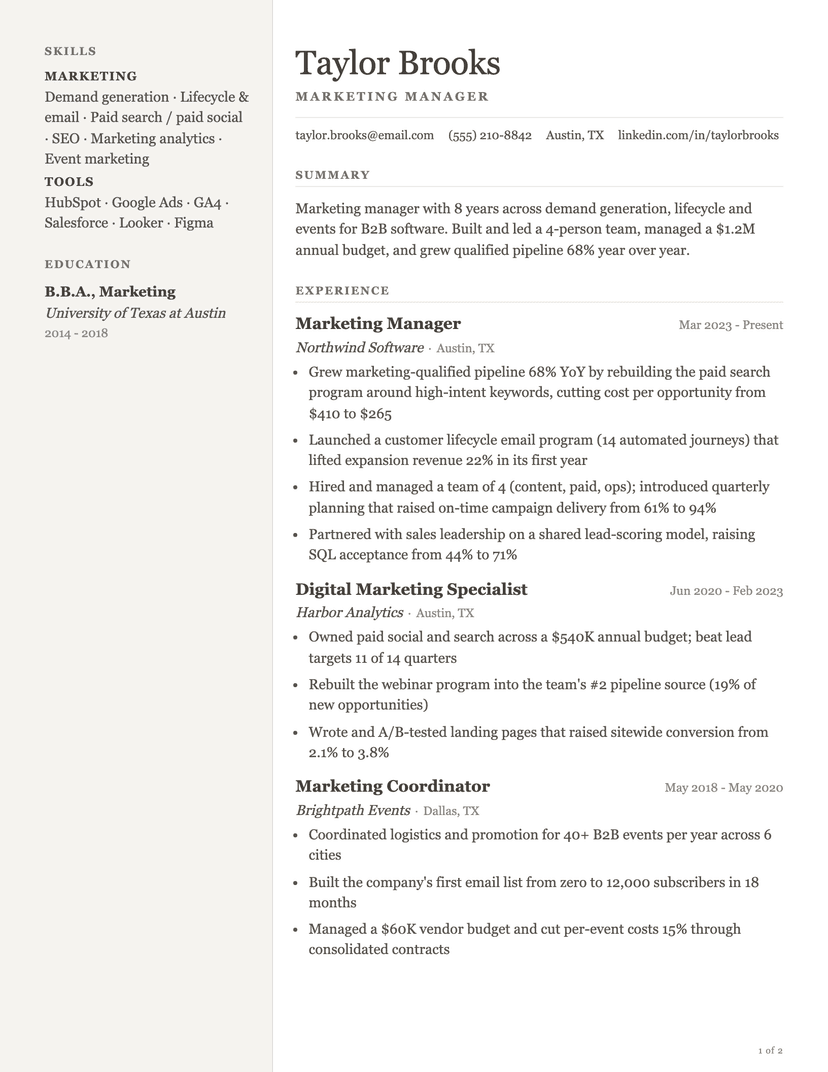
Pallas
serif · two-column
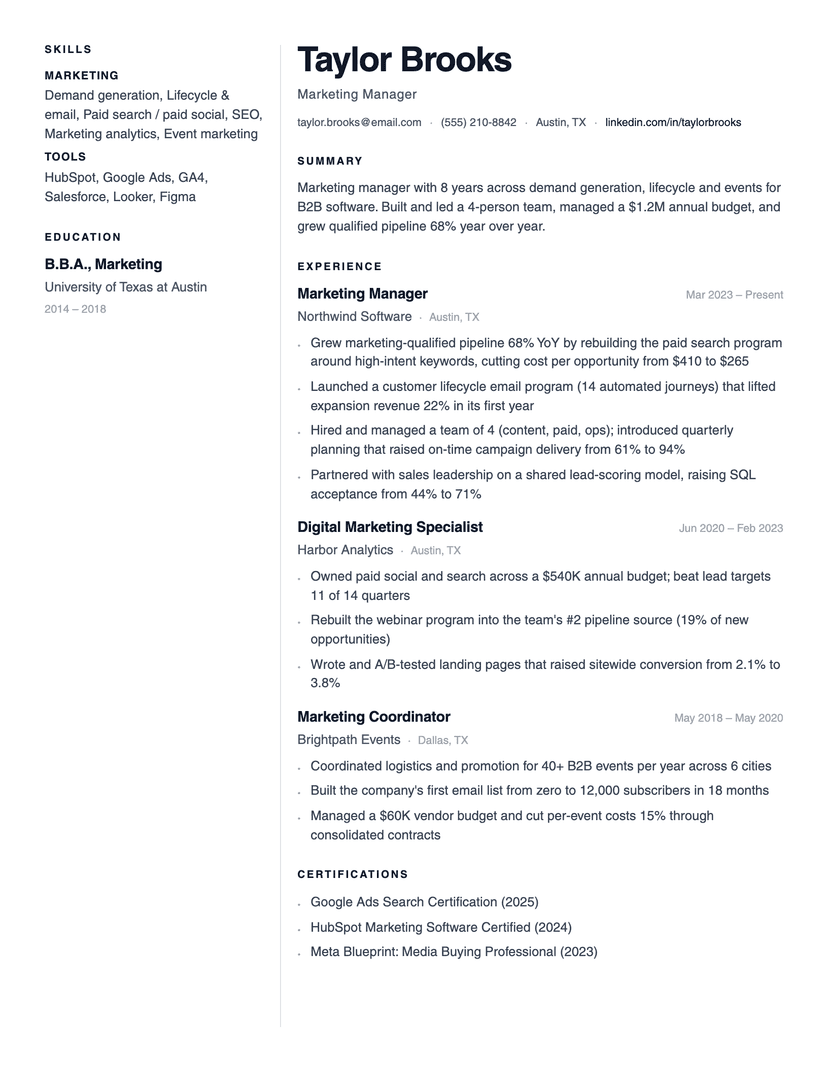
Lumen
minimal · two-column
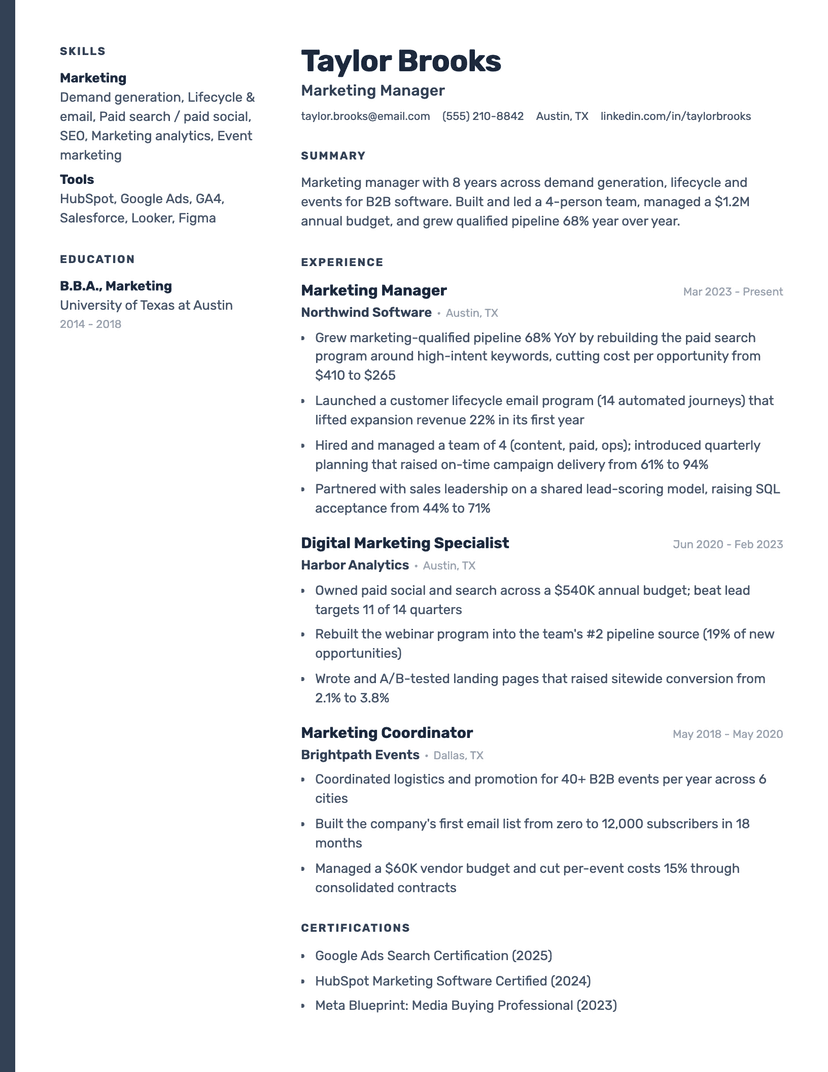
Slate Rail
two-column · modern
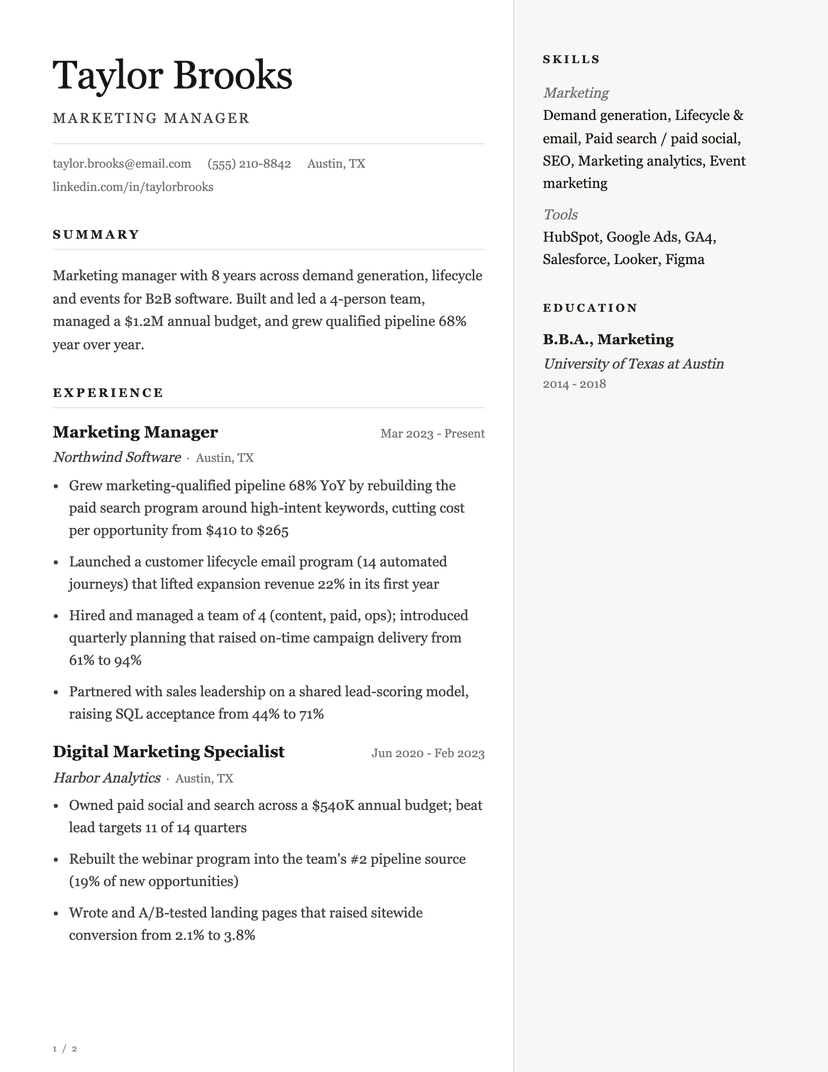
Ovation
serif · monochrome
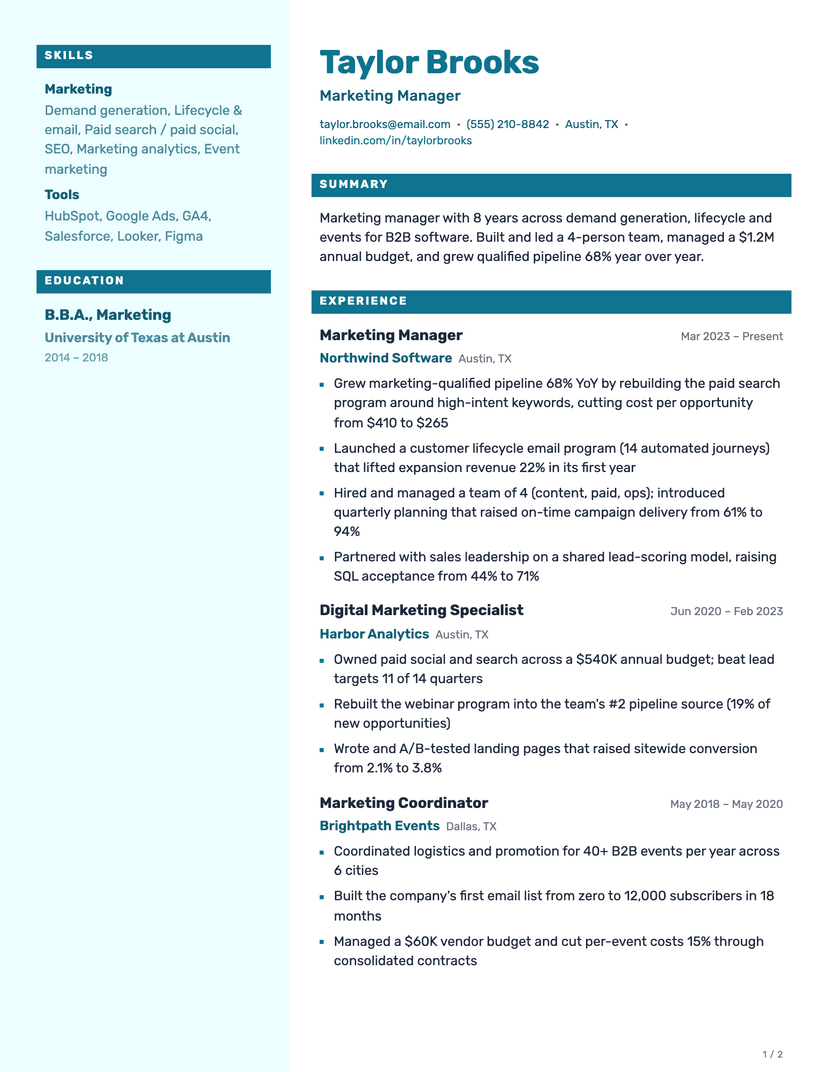
Fathom
two-column · modern

Aperture
two-column · modern
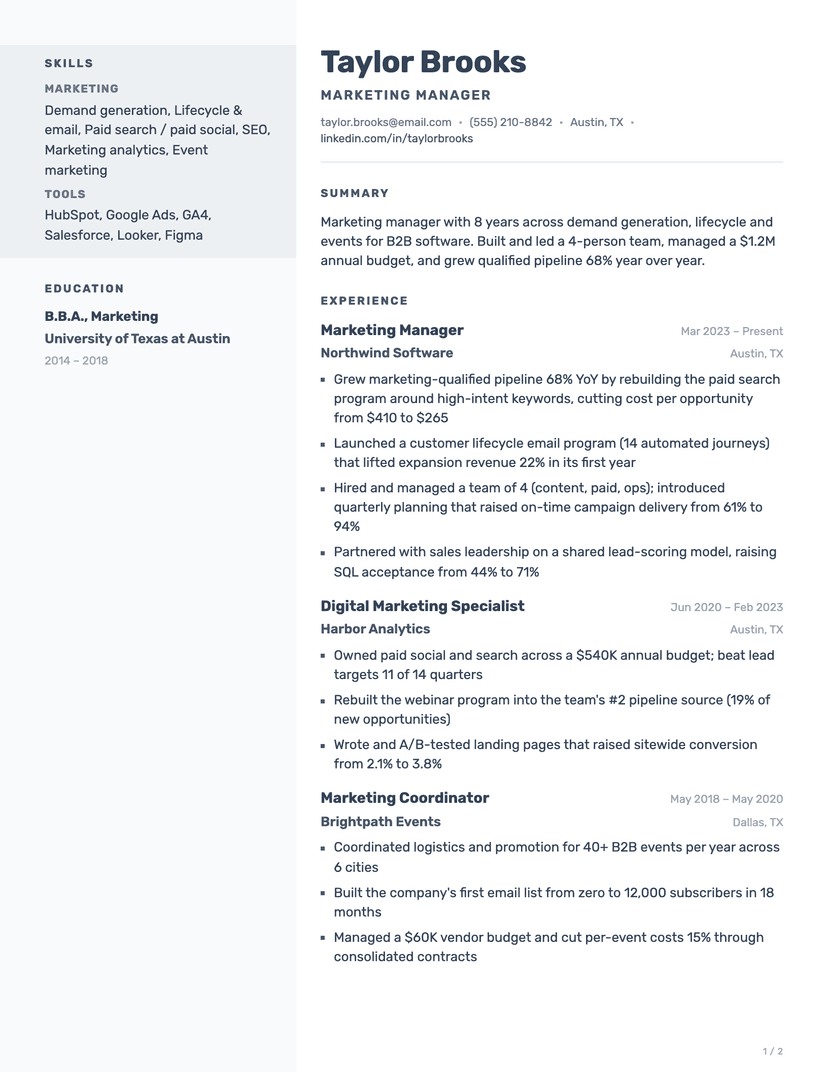
Cadence
two-column · modern
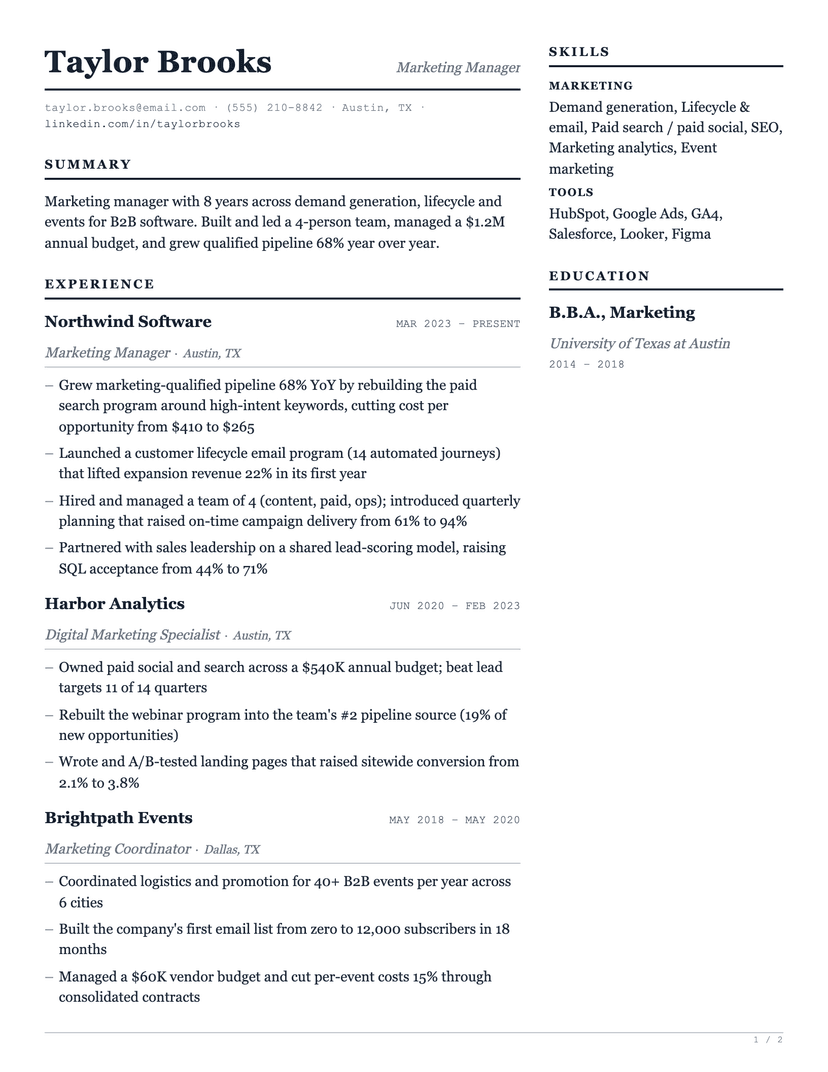
Ledger Two
two-column · serif

Porcelain
minimal · light
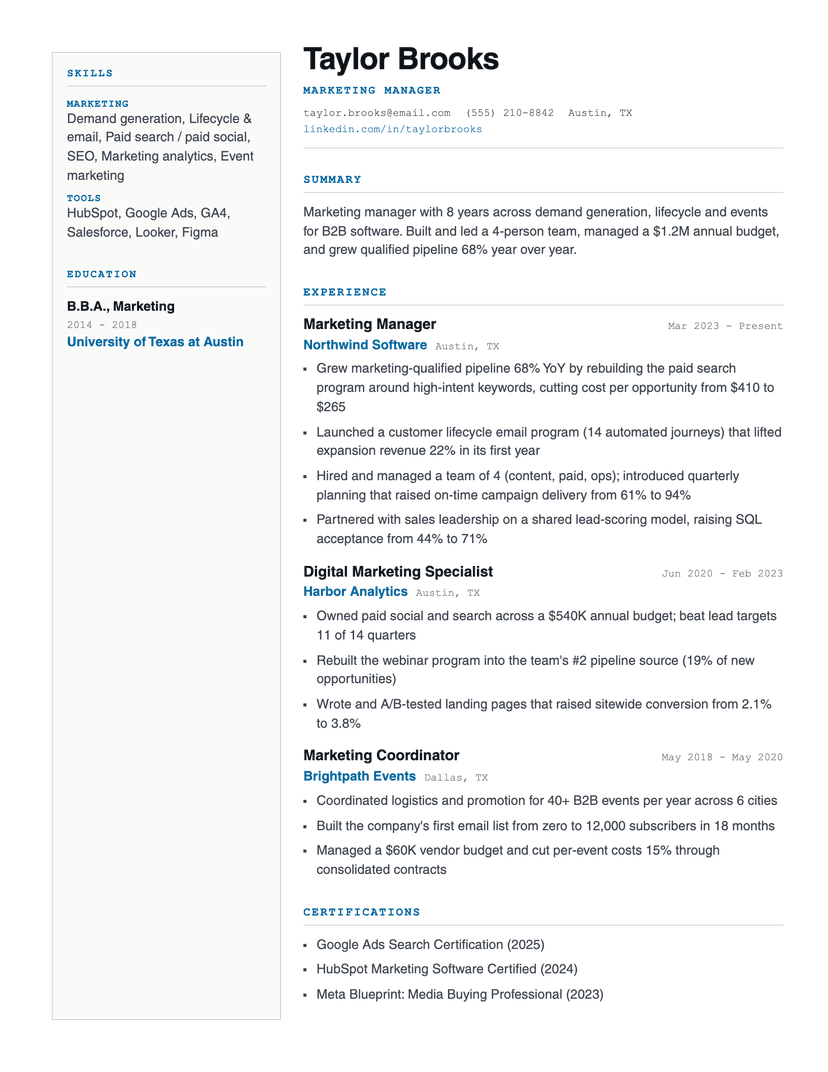
Foundry
two-column · technical
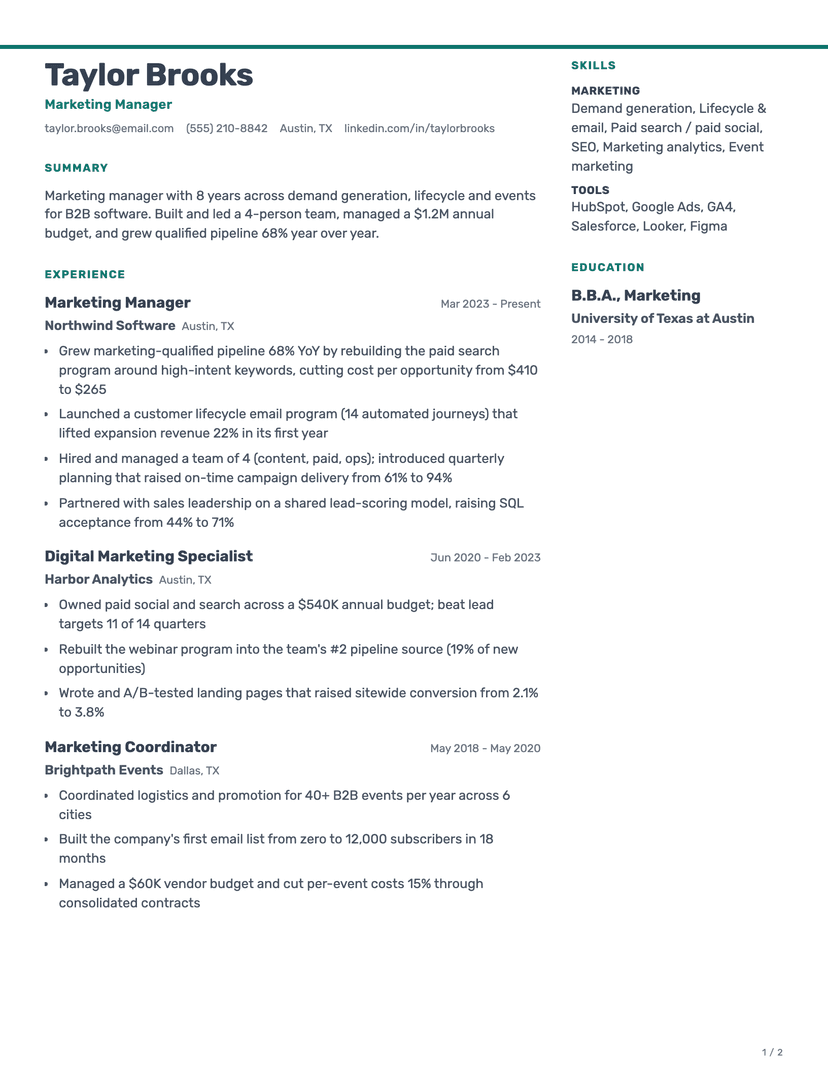
Halyard
two-column · modern
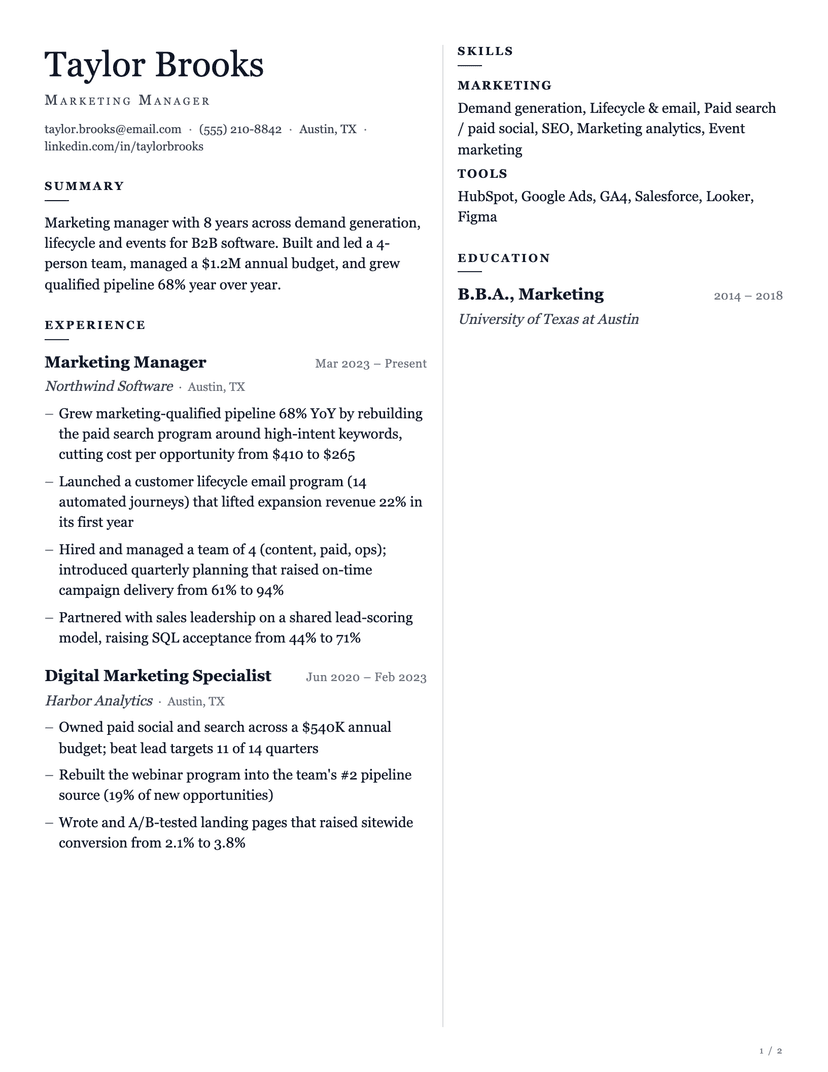
Corbel
two-column · serif
Writing a customer service resume
The metrics that get customer service resumes read
Every contact center and support team measures the same handful of numbers, which means hiring managers can benchmark you instantly if you provide them: CSAT (with the team average for contrast — "96% against a team average of 91%" is twice the claim of "96%"), ticket or call volume per day, average handle time against target, first-contact resolution rate, and QA scores. If you've worked a retention queue, your save rate is the headline number.
Pull these from your own dashboards before you leave a role — Zendesk, Salesforce, and every major platform show agents their stats. If you genuinely can't get exact figures, honest approximations beat omission: "~35 tickets/day" and "consistently top-quartile CSAT" are still evidence. A customer service resume with zero numbers reads as a below-average performer hiding their stats, whether or not that's true.
Platform names are keywords — name yours exactly
Support hiring screens on tools because ramp time is real money in a volume operation: an agent who already knows Zendesk takes weeks less to reach full productivity. Name every platform you've worked in — Zendesk, Salesforce Service Cloud, Intercom, Freshdesk, Gorgias, Talkdesk, Five9 — in a skills group and again inside the bullets where you used them. ATS matching is literal: if the posting says "Intercom" and your resume says "live chat software," you don't match.
Depth beats breadth here. "Rebuilt the team's macro library in Zendesk" or "built dashboards from ticket tags" signals a power user, and power users get shortlisted for the senior and team-lead postings where the pay actually improves. Channel breadth is worth a mention too — phone, chat, email, and social are different skills, and omnichannel experience widens what you match.
Show soft skills through numbers, not adjectives
"Empathetic, patient, excellent communicator" appears on effectively every customer service resume and screens for nothing. The fix isn't dropping soft skills — they're the job — it's converting each claim into an outcome that proves it. De-escalation becomes "retained 61% of customers who called to cancel." Communication becomes "trained 9 new hires; all passed QA certification on the first attempt." Patience and quality under load become "93% QA score at 70+ calls/day."
The strongest differentiator of all is upstream impact: agents who spot patterns in tickets and get root causes fixed. A bullet like "flagged a recurring billing defect from tag analysis; fix eliminated 90 tickets/month" tells a hiring manager you reduce future workload instead of just processing the current queue — which is precisely the trait that separates team-lead candidates from the pile.
Frequently asked questions
What skills should I put on a customer service resume?+
Two kinds: the platforms you've worked in by exact name (Zendesk, Salesforce Service Cloud, Intercom, Freshdesk, Talkdesk) and service competencies stated concretely (first-contact resolution, de-escalation, churn saves, QA scorecards). Skip standalone adjectives like "friendly" or "patient" — prove those inside experience bullets with numbers instead.
How do I quantify customer service work on a resume?+
Use the metrics your team already tracked: CSAT (ideally versus team average), tickets or calls per day, average handle time versus target, first-contact resolution rate, QA scores, and save/retention rate if you handled cancellations. Most platforms show agents their own stats — export them before you leave a role.
How do I write a customer service resume with no experience?+
Mine adjacent work for the same evidence: retail, food service, front-desk, and volunteer roles all involve volume, conflict resolution, and speed. Quantify those — customers served per shift, upsell or loyalty-signup numbers, till accuracy — and list any customer-adjacent software. Employers hiring entry-level support are screening for composure and reliability, and numbers from any customer-facing job demonstrate both.
Is this template ATS-friendly?+
Yes — single column, standard section names, no tables, columns, or graphics, with contact details in the document body. High-volume service employers typically run Workday, Taleo, or iCIMS, and this layout parses cleanly through all of them; the Word export uses real document structure rather than layout boxes.
Templates for other roles
Already have a resume? See exactly what an ATS parses out of it.
Run the free ATS checker